Iran's Control Over the Strait of Hormuz Blocks Key Shipping Route, Economist Says

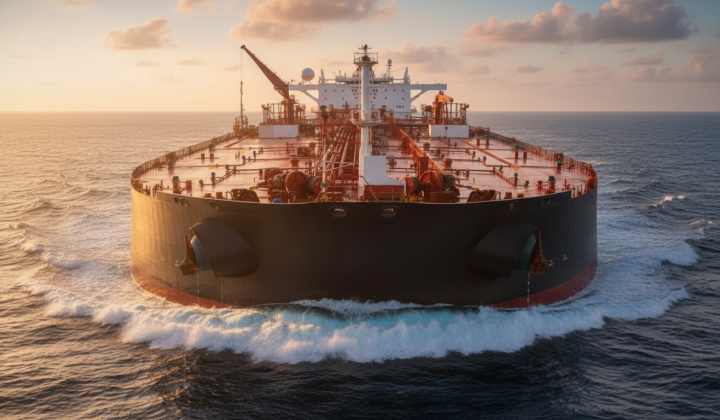
Prospects for Reopening the Persian Gulf Shipping Lane
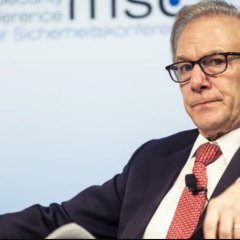
According to ХВИЛЯ: Economist Oleg Ustenko, speaking on political analyst Yuriy Romanenko's broadcast, expressed skepticism that shipping through the Persian Gulf will be unblocked due to Iran's stance. He noted that the probability of oil tankers navigating the Gulf freely is over 50%.
Ustenko emphasized that Iran's control over the Strait of Hormuz grants it significant leverage over the region's economic and geopolitical landscape.
"Following Trump's logic, they will try to keep the cards, and the trump cards, in their hands. This strait they control is precisely their trump card, allowing them to influence the overall economic and, consequently, geopolitical situation," he stated.
Volatility in the Commodity Market
Ustenko also highlighted the instability of the commodity market, comparing it to a 'moody girl' whose temperament changes constantly.
"The market is already like such a girl, changing its mood-one in the morning, another by afternoon, and a third by evening. That's how the commodity market will be volatile. The slightest rustle from the left or right will force it to move sharply and rapidly upward," the economist added.
In the context of Iran's control over shipping, Ustenko pointed out that Tehran might permit passage to only 10% of the vessels that previously used the route, severely restricting international trade opportunities in the region.
The Strait of Hormuz is a critical global chokepoint for oil shipments, making stability there a concern far beyond the Middle East. The situation in the Persian Gulf is crucial not only for regional countries but for the global economy, as the Gulf is a key route for oil transportation. Iran's control over this route could lead to significant disruptions in energy supplies, impacting oil prices and the stability of commodity markets. It is now important to monitor further developments, as any shift in the political situation could substantially alter the region's economic landscape.
As tensions in the Persian Gulf escalate, the impact on global oil prices becomes increasingly evident. Recent reports indicate that market anxiety is driving oil prices up, reflecting concerns over supply disruptions. Understanding the connection between geopolitical instability and commodity fluctuations is essential for grasping the broader implications for the global economy.

Read also