Former Ukrainian Ambassador Analyzes Rubio's Munich Speech: Beneath the Soft Tone Lies Trump's Hardline Isolationism


Serhiy Korsunsky's Analysis of Marco Rubio's Address
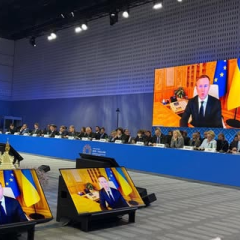
According to ХВИЛЯ: Former Ukrainian Ambassador to Japan, Serhiy Korsunsky, has provided an analysis of U.S. Secretary of State Marco Rubio's recent speech at the Munich Security Conference. Korsunsky argues that Rubio's softer rhetoric masks the Trump administration's hardline isolationist agenda, a stance causing significant anxiety among European and Asia-Pacific allies. This perspective comes as U.S. foreign policy shifts continue to create uncertainty for its traditional partners.
Korsunsky emphasized that while Rubio said many of the right things in a much milder tone, this could be misleading.
“The Europeans sighed with relief as if a mountain had been lifted from their shoulders. I think they celebrated a little too soon,”
he noted. According to the former ambassador, it is crucial to pay attention to official policy documents, which clearly state: “It’s every man for himself now. Guys, in Europe-these are your problems, you deal with Europe. We, in the Western Hemisphere-that’s ours.”
Challenges in Asia and the International Arena
Korsunsky also stressed that the situation in Asia is no less complex than in Europe, as the region must contend not only with Russia but also with China and North Korea. He observed that Rubio, despite his personal stance, understands the importance of international alliances but cannot deviate from Trump's policy of security localization, which prioritizes regional over global responsibility.
Korsunsky's comments, made during an interview with political analyst Yuriy Romanenko, underscore the serious challenges facing the international community amid a shifting geopolitical landscape. The Munich Security Conference is a key annual forum where global defense and diplomatic strategies are debated.
Marco Rubio's address at the conference highlights current tensions in international relations and the risks associated with a resurgent isolationist policy, which could exacerbate instability in multiple world regions. The reaction from European nations to this rhetoric reflects their deep concern and desire to maintain global stability, as changes in the U.S. position could significantly impact their security and economic interests.

Read also