Ukraine's Emergency Services Under Strain: How 16,000 Daily Calls Endanger Lives

The State of Emergency Medical Services in Ukraine
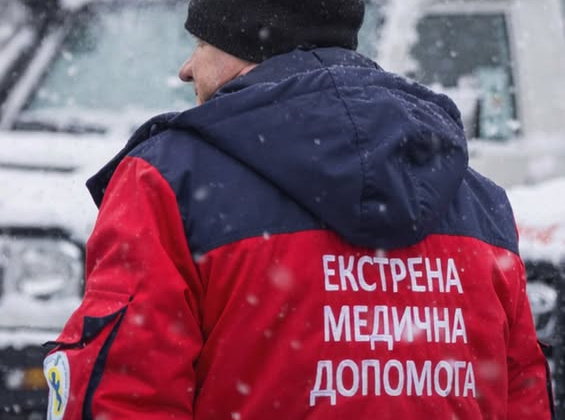
According to Міністерство Здоров'я: Ukraine's emergency medical and disaster response system is currently operating under the extreme pressures of war, frequent power outages, and severe weather. This critical service handles over 16,000 calls every day, but a significant portion of these are for non-urgent matters, placing an unsustainable burden on its resources. This immense volume threatens the system's ability to respond to genuine life-or-death situations.
Data reveals the following breakdown of calls to the emergency services:
- 69% - sudden illnesses and medical conditions;
- 10% - accidents, injuries, and poisonings;
- nearly 5% - visits to people with chronic illnesses;
- 4% - patient and maternity transfers to medical facilities;
- around 0.5% - out-of-hospital births and pregnancy complications;
- approximately 5% - false or prank calls.
Svitlana Malko, a paramedic from Boryspil with over 30 years of experience, explains: 'We receive far too many non-urgent calls: a high temperature, a cut finger, back pain, or people simply wanting a medical check-up. These are issues for a family doctor. Meanwhile, we struggle to reach the scenes of traffic accidents, strokes, heart attacks, and falls from height in time.'
The Critical Need for Better Public Communication
This situation highlights an urgent need for improved communication between the public and medical services, as well as a greater public awareness of when to appropriately use emergency care. In many countries, public health campaigns have been used to educate citizens on distinguishing between emergencies and issues for primary care.
Given the wartime conditions and persistent threats to public health, the efficient operation of the emergency medical system is critically important. Citizens must understand which situations genuinely require an immediate medical response. This awareness is essential to prevent overloading the service and to ensure swift aid reaches those in true, life-threatening need. Enhancing public knowledge about the proper use of emergency services could significantly alleviate the strain on Ukraine's medical responders.

Read also