EU's 20th Sanctions Package Targets Third-Country Ports for the First Time

European Union Proposes New Sanctions Against Russia
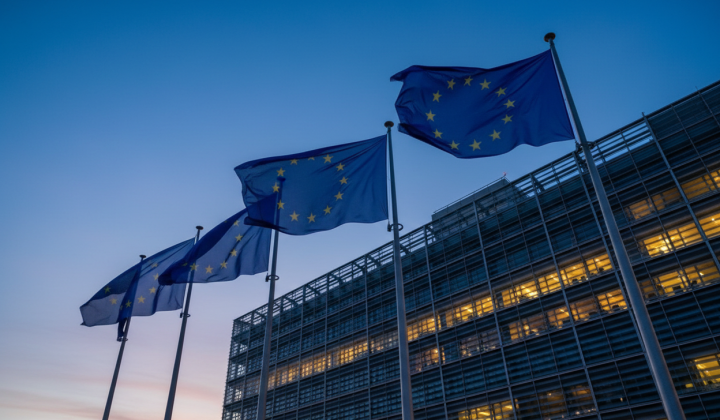
According to Главком: The European Union has put forward its 20th package of sanctions against Russia, marking a significant escalation by including, for the first time, restrictions on ports in third countries that handle Russian oil. This move is a direct response to Russia's ongoing full-scale invasion of Ukraine. The proposal, presented to EU member states on Monday, requires unanimous approval from all 27 nations to be enacted.
Scope of the Proposed Measures
The proposed restrictions extend beyond third-country ports to include new import bans. The list of goods targeted for an import prohibition includes:
- Nickel ingots
- Iron ore and concentrates
- Unwrought and processed copper
- Various types of metal scrap, including aluminum
- Salt, ammonia, pebbles, silicon, and fur
Furthermore, the package seeks to ban the sale of metal-cutting machine tools and communication equipment, such as modems and routers, to Kyrgyzstan.
Additionally, the sanctions list is set to expand by 30 individuals and 64 entities. Notable additions include the Russian oil company Bashneft and eight Russian oil refineries, including facilities in Tuapse and Syzran. Financial institutions like Keremet Bank and OJSC Capital Bank of Central Asia in Kyrgyzstan, as well as banks in Laos and Tajikistan, are also slated for sanctions. The proposal also includes activating the anti-circumvention tool against a third country.
This latest package is the result of collaborative work by the EU's diplomatic service, the European External Action Service (EEAS), and the European Commission. The recent seizure of the tanker Aquila II by U.S. authorities for violating the sanctions regime underscores the critical importance of enforcement. According to U.S. officials, the vessel was tracked from the Caribbean Sea to the Indian Ocean.
The introduction of this package signals the EU's growing determination to counter Russian aggression and its global economic fallout. Targeting third-country ports that process Russian oil could significantly hinder Russia's export capabilities, impacting its vital oil and gas sector. This development highlights the increasing complexity of sanctions enforcement in a globalized economy, where international cooperation is essential to maintain pressure on the Kremlin.

Read also