EU's 20th Russia Sanctions Package Delayed Past Invasion Anniversary by Hungarian Veto

EU Sanctions Against Russia
According to Главком: The European Union will fail to approve its 20th package of sanctions against Russia by the fourth anniversary of the full-scale invasion, as Hungary is blocking both the new sanctions and a €90 billion credit line for Ukraine. The primary disputes within the EU revolve around energy resources and mechanisms to prevent sanctions circumvention. Hungarian Prime Minister Viktor Orbán is opposing the new sanctions package due to the halted oil flow through the 'Druzhba' pipeline. This internal deadlock highlights the persistent challenge of achieving unanimous foreign policy decisions among the 27 member states.
Progress and Challenges
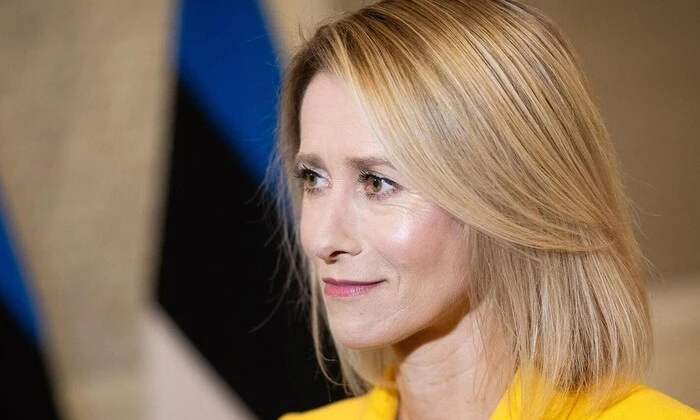
The EU's High Representative for Foreign Affairs and Security Policy, Kaja Kallas, stated that no progress would be made today, but the EU would insist on resolving the issue. She added:
'We are continuing work on the 20th package, but I do not expect we will reach a final agreement precisely by this anniversary.' - Kaja Kallas
Furthermore, the European Commission has called on Orbán to unblock the €90 billion credit for Ukraine. This aid package was developed and approved by the European Commission on January 14, 2025. The issue of supporting Ukraine remains urgent against the backdrop of escalating regional tensions and the new sanctions package, which aims to increase pressure on Russia.
The failure to agree on the 20th sanctions package underscores the complexity of EU internal politics and the challenges member states face in forging a common foreign policy. Hungary's blockage could not only damage the European Union's credibility but also create difficulties for Ukraine in obtaining crucial financial support, which is vital amid the ongoing conflict with Russia.
It is essential for the EU to find ways to overcome disagreements between member states and focus on collective efforts to ensure stability in the region.

Read also