EU Restricts Hungary's Access to Sensitive Information Over Suspected Russia Leaks

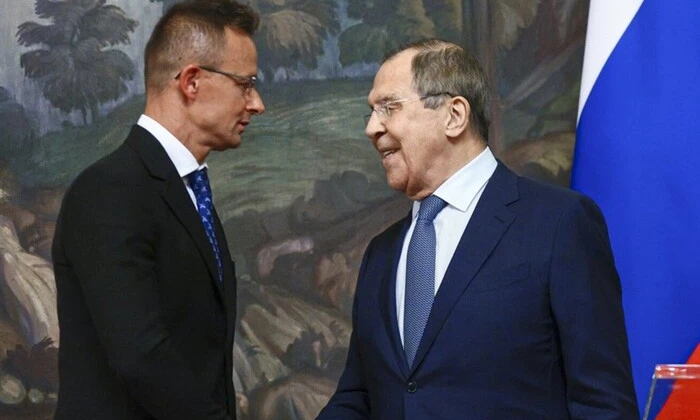
EU Shifts to Smaller Consultation Formats
According to Главком: European Union member states have increasingly moved to using smaller, more restricted consultation formats instead of full meetings. This change was implemented to limit Hungary's access to sensitive information due to suspicions that data was being passed to Russia. Hungarian Foreign Minister Péter Szijjártó is accused of regularly informing his Russian counterpart, Sergey Lavrov, about the progress of EU discussions, a practice that has caused significant alarm among other member states.
Hungary denies these allegations. Former Lithuanian Foreign Minister Gabrielius Landsbergis, who participated in high-level negotiations, noted that the Hungarian side may have been sharing information with Russia.
“We spoke only formally, and later moved to discussing the achievable goals of the summit already without Hungary,”
Landsbergis emphasized. Other diplomats have also pointed to the necessity of restricting information shared in Szijjártó's presence.
“There are arguments in favor of the EU classifying information and documents,”
one diplomat noted.
Hungary Excluded from Key Negotiations
Ahead of the 2023 NATO summit in Vilnius, the Budapest delegation was excluded from delicate negotiations. The Bucharest Nine also considered removing Hungary from its discussion format due to its lack of consensus on supporting Ukraine. Regarding the potential leaks from Budapest, the EU currently has no plans for an official response, aiming to avoid influencing the Hungarian elections scheduled for April 12.
Furthermore, according to The Washington Post, Russia's Foreign Intelligence Service developed a plan codenamed 'Gamechanger' to boost the approval ratings of Hungarian Prime Minister Viktor Orbán, which included staging an assassination attempt on the Hungarian premier. This situation underscores the growing tensions between Hungary and its fellow EU nations. Hungary's stance has often placed it at odds with the EU's unified position on Russia, particularly since the full-scale invasion of Ukraine.
To enhance negotiation efficiency, EU countries continue to utilize various formats, such as:
- E3
- E4
- E7
- E8
- JEF
- NB8
- The Weimar Triangle (France, Germany, and Poland)
The E3 format includes Britain, France, and Germany.
The shift in the EU's consultation format highlights serious concerns over information security and trust between member states. The case involving Hungary could have lasting consequences for its relations with other EU countries, especially regarding support for Ukraine. This episode emphasizes the critical importance of collective efforts to ensure security and maintain stability in the region, a priority made even more urgent by escalating geopolitical threats.
As the EU tightens its grip on information sharing, the implications of Hungary's alleged ties to Russia are becoming increasingly concerning. This situation is further complicated by revelations of a leaked Russian strategy aimed at bolstering Viktor Orbán's political standing. To understand the full scope of these developments, including how Hungarian officials may have influenced EU discussions, you can read more about the leaked plan to support Orbán.

Read also