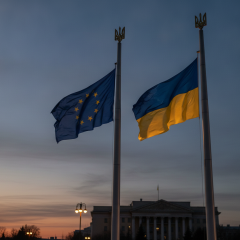
EU Moves to Tighten Data Security Against Russian Threats with New Regulations

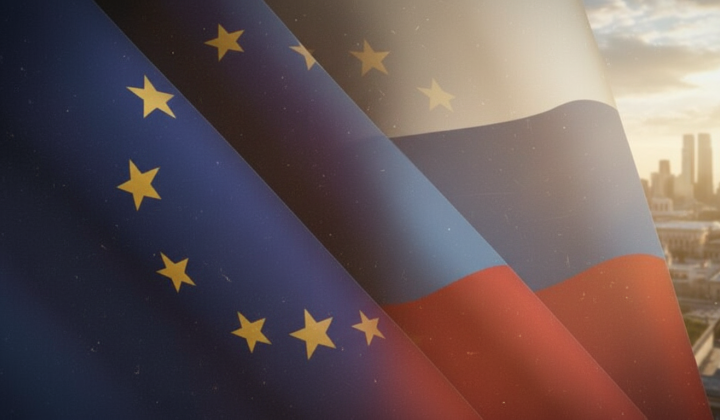
EU Proposes Stricter Information Security Framework
According to ХВИЛЯ: The European Union is preparing to implement a more rigorous set of information protection rules to prevent sensitive data from reaching hostile states. Key proposals under consideration involve:
- expanding the classification of documents as 'secret';
- restricting access to and the use of personal electronic devices.
The pace of adopting these new measures will be influenced by the outcome of the Hungarian elections scheduled for April. This political event is seen as a critical factor for EU security policy, given Hungary's past actions.
Motivations Behind the New Security Push
The drive for new rules was prompted by recent security incidents. These include instances of the Hungarian government sharing information with Russia and concerns that Germany's far-right opposition could potentially transmit data to Moscow. A further catalyst was the interception of a phone call between a journalist and an EU official, highlighting significant vulnerabilities in the region's information security.
Diplomats and officials have put forward several specific recommendations:
- increase the number of documents marked 'secret';
- automate the investigation process following any data leak;
- require officials to read classified files only in specially secured rooms;
- limit the transmission of unfiltered information to parliamentarians in countries with the right to scrutinize EU documents.
These proposals build upon existing EU data security practices. Officials are already advised against taking personal electronics on trips to the US or China, or to wipe such devices upon return. Furthermore, governments are moving away from American messaging apps like WhatsApp in favor of local alternatives.
"Such documents contain information that could be useful to hostile actors, so certain documents should be treated with greater caution." - A source within the European Commission
Ultimately, the speed of implementing the EU's new data protection rules hinges on the Hungarian election results. A renewed victory for Viktor Orban is expected to force the EU to accelerate the overhaul of its data security system. This situation underscores how internal politics within a single member state can directly impact the collective security of the bloc.
As the EU tightens its grip on data security, the implications for member states are significant, especially in light of recent events involving Hungary. Concerns over potential leaks to Russia have led to restrictions on Hungary's access to sensitive information. This move underscores the EU's commitment to safeguarding its data integrity and highlights the ongoing geopolitical tensions that influence security policies across the region.

Read also