EU Postpones Appointment of Special Envoy for Talks with Putin

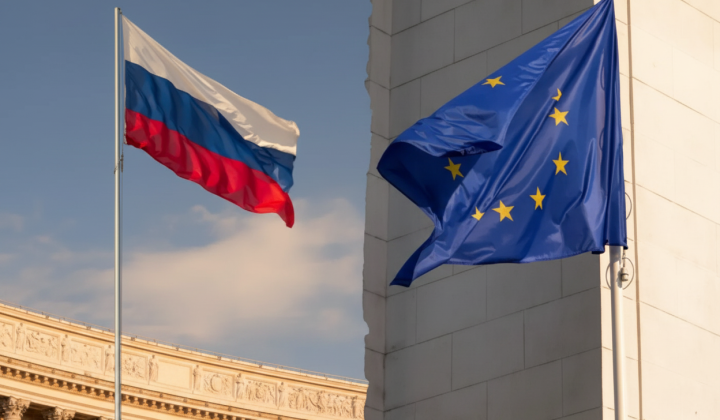
Divisions Emerge Within the EU Over Russia Negotiation Strategy
According to Главком: The European Union has decided to delay naming a special representative for dialogue with Russia, a move backed by Kaja Kallas and key member states such as Germany. This postponement highlights the growing disagreement among EU countries about whether such a role is appropriate given the current geopolitical climate.
New Sanctions Package Targets Russian Finance and Defense
On May 28, the European Commission and the European External Action Service are set to unveil a draft of the 21st sanctions package against Russia. The proposed measures will impose fresh restrictions on Russia's financial sector and companies linked to its defense industry. Notably, the EU has ruled out Belarus as a potential intermediary in any negotiations, signaling worsening tensions with Minsk.
Several prominent figures have been mentioned as possible candidates for the special envoy position, including:
- former German Chancellor Angela Merkel,
- ex-European Central Bank President Mario Draghi,
- Finnish President Alexander Stubb.
“We first need to agree on what exactly we want to discuss with Russia,” one EU official stated.
This situation underscores the complex and fluid nature of EU policy toward Russia, as member states continue to debate the best approach to sanctions and potential talks. The delay in appointing a special envoy indicates that the bloc has yet to forge a unified stance on engaging with Moscow. With tougher sanctions on the horizon, it is crucial for EU countries to clearly define their objectives and strategies for any future negotiations. These decisions could shape the EU's overall policy toward Russia and its broader role in regional security.
The ongoing deliberations within the EU regarding the appointment of a special envoy reflect deeper concerns about the bloc's negotiation strategy with Russia. As tensions escalate, the EU has indicated that it will only move forward with such appointments once a definitive peace signal is received. To explore this critical aspect of the EU's approach and its implications for future negotiations, read more about the conditions for appointing a negotiator here.

Read also