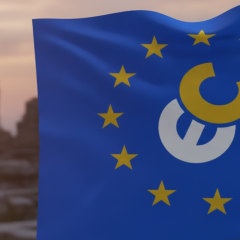
EU Opens First Negotiation Cluster for Ukraine, Marking a Milestone in Membership Talks

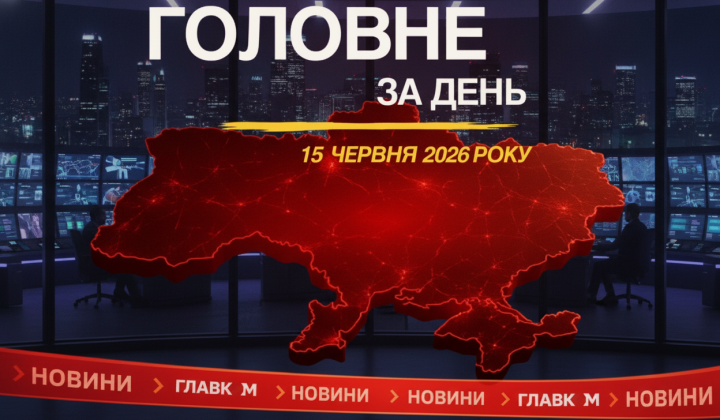
EU-Ukraine Negotiations Advance
According to Главком: On June 15, the European Union took a significant step in Ukraine's integration process by launching its first negotiation cluster. All EU member states agreed to begin the initial round of accession talks with both Ukraine and Moldova. According to the European Commission,
“today we are starting discussions on the fundamentals of the accession process, including justice, freedom, and fundamental rights. We see how much effort these countries have made, and we are rewarding them with a clear path forward. Enlargement is our strategic choice. It is our best investment in a shared future of peace, security, and prosperity.”
This development comes as part of a broader EU strategy to strengthen ties with Eastern European nations.
Attack on Kyiv and International Reactions
On the same night, Russian forces launched a massive assault on Kyiv on June 15, resulting in five fatalities, with one victim later dying in the hospital. A total of 38 people were injured, including 18 men, 18 women, and two children. The Security Service of Ukraine confirmed that a Geran-2 drone-a Russian adaptation of Iran's Shahed-struck the Kyiv Pechersk Lavra monastery. In response, Ukraine called for an emergency session of the United Nations Security Council.
Ukrainian President Volodymyr Zelenskyy also held a phone conversation with Ecumenical Patriarch Bartholomew at Chisinau Airport, extending an invitation to visit Ukraine. Additionally, Zelenskyy formally requested a meeting with Vladimir Putin during the G7 summit in Évian-les-Bains, France.
U.S. President Donald Trump commented on the potential for progress in negotiations to end the war between Ukraine and Russia, adding new dimensions to the already complex regional situation.
Elsewhere, a Tu-22M3 bomber crashed in Russia's Irkutsk region. Ukraine also gained access to the EU's cybersecurity reserve, and the Cabinet of Ministers published a decree on new contracts for the Defense Forces. Meanwhile, Russian oil refineries have officially switched to surrogate materials, signaling shifts in supply chains and resources.
The situation in Ukraine remains tense: while the country receives EU support through the start of accession talks, it continues to grapple with the consequences of Russian aggression. These events are shaping Ukraine's foreign policy landscape, with the international community showing a willingness to assist in conflict resolution. Importantly, these negotiations could serve as a pivotal phase in strengthening not only Ukraine's security but also its economic development.
As the EU embarks on this crucial phase of negotiations, Zelenskyy outlines an intensive week ahead dedicated to advancing Ukraine's accession talks. This proactive approach underscores the urgency and significance of the ongoing discussions, especially in light of recent events that have intensified the region's geopolitical landscape.

Read also