EU Targets Chinese and Turkish Firms with Sanctions Over Russia Support

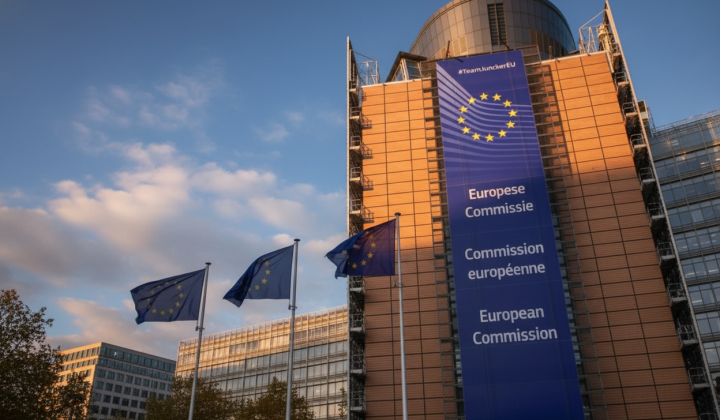
EU Sanctions Aimed at Companies Aiding Russia
According to Главком: The European Union is set to impose restrictions on businesses from China, Turkey, the United Arab Emirates, and Azerbaijan for helping Russia circumvent international penalties. These measures, which will also impact Russian firms Lukoil, Gazprom, Novatek, and Rosneft, are designed to cut off supply routes for military components to Russia. An initial mini-package of sanctions is scheduled for adoption on June 15 in Luxembourg, with a broader 21st package planned for summer 2026.
Details of the Sanctions
The European External Action Service has proposed sanctions against foreign companies that finance the Russian military. Specifically, the blacklist is expected to include:
- Four Chinese firms that support Russia's shadow oil fleet, supplying chemicals and drone parts;
- Three Turkish companies facilitating the export of Russian energy resources;
- Companies from the United Arab Emirates involved in shipping and oil sales;
- One Azerbaijani firm engaged in the sale of Russian fuel.
During a meeting of EU foreign ministers on June 15 in Luxembourg, an emergency mini-package of restrictions will be approved. A comprehensive 21st sanctions package, introducing broader sectoral measures, is expected in summer 2026. Ukrainian President Volodymyr Zelensky has also signed two decrees enacting National Security and Defense Council decisions, initiating the synchronization of Ukrainian restrictions with the EU's 20th sanctions package.
These sanctions aim to maximize economic pressure on Russia. As the European Commission stated,
“Our goal is to maximize economic pressure on Russia, particularly by introducing new measures to combat the circumvention of sanctions.”
At the same time, this move could heighten tensions between Brussels and Beijing. Last week, China warned it would take decisive countermeasures to protect its interests if the EU imposes additional trade restrictions.
The situation surrounding sanctions related to Russia continues to evolve, with potential significant consequences for international relations. The imposed measures reflect the EU's growing concern over the evasion of international restrictions, which could destabilize the region. This development demonstrates the EU's readiness to act against countries and companies supporting Russia in military conflicts, potentially leading to new trade and diplomatic frictions with sanctioned nations.
As the EU intensifies its sanctions strategy, the geopolitical landscape continues to evolve, particularly concerning energy resources. For instance, the recent decision to freeze the price cap on Russian oil highlights the ongoing challenges faced by European policymakers in balancing economic pressure on Russia while addressing regional conflicts. This context underscores the importance of understanding the broader implications of the EU's sanctions initiatives.

Read also