EU Bans Destruction of Unsold Clothing: New Rules for Fashion Brands Take Effect July 19

EU Imposes Ban on Destroying Unsold Apparel and Footwear
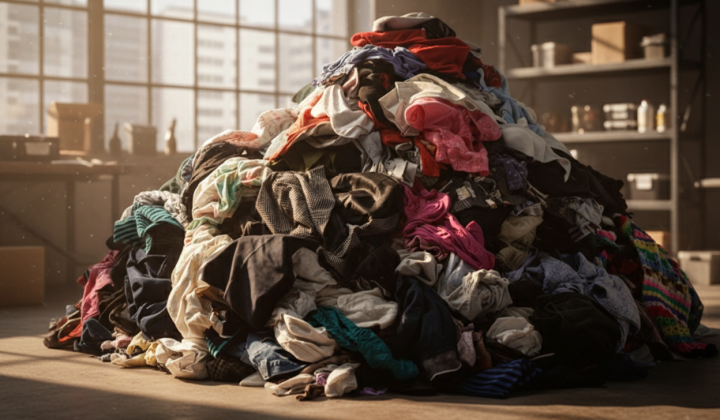
According to Главком: The European Union is implementing a significant new ban on the destruction of unsold clothing and footwear, a move set to reshape the fashion industry. This landmark legislation is part of the European Commission's broader strategy to curb the substantial environmental impact of disposing of excess inventory. For major producers, the prohibition comes into force on July 19, 2023, while other companies have until 2030 to completely phase out the practice of discarding clothing surpluses.
Impact of the New Regulations on the Fashion Industry
Currently, nearly 10% of unsold clothing and footwear in the EU is destroyed, typically through incineration, a process that generates approximately 5.6 million tons of CO₂ emissions annually. The scale of waste is particularly stark in Germany's online retail sector, where close to 20 million returned items are discarded each year. The new rules will also mandate that companies publicly disclose data on the volume of goods they destroy, increasing transparency. This crackdown on waste follows a growing consumer and regulatory focus on sustainability within the fast-fashion sector.
Exceptions to the rules are permitted for damaged goods or items requiring disposal for hygiene reasons. In a related enforcement action, the European Commission recently fined fashion brands Gucci, Chloe, and Loewe a combined 157 million euros for violating EU competition rules. The overarching goal of the ban is to push companies toward alternatives to destruction, such as resale, donation, or recycling.
These innovations have the potential to fundamentally reshape practices within the fashion industry.
By drastically reducing the volume of unsold clothing destined for destruction, the regulations are expected to incentivize more responsible business models. The ban may also accelerate innovation in recycling technologies and foster the growth of new circular business models focused on sustainability. As environmental concerns become increasingly central to consumer choices, these changes are likely to influence shopping habits and boost demand for responsible fashion across Europe and beyond.

Read also