Estonia Identifies Putin's Greatest Fear: A Full EU Ban on Maritime Shipping

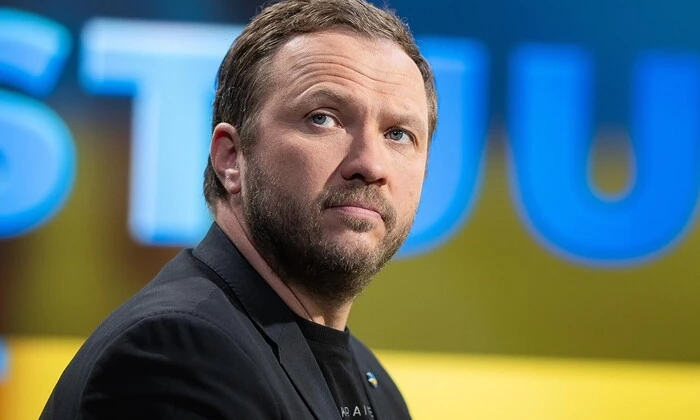
Estonian Foreign Minister Speaks Out
According to Главком: According to Estonia’s top diplomat, Margus Tsahkna, Russian President Vladimir Putin is most terrified of the European Union imposing a complete embargo on all maritime transport. Tsahkna shared this assessment in an interview with Estonian broadcaster ERR, following a gathering of NATO foreign ministers. He argued that the Kremlin is attempting to draw Europe into dialogue simply to buy time, and firmly rejected any notion of Europe acting as a neutral mediator in the conflict.
Tsahkna characterized the more than year-long discussions between Ukraine and Russia as mere conversations, not genuine negotiations, which ultimately gave Putin a strategic delay.
“Everyone now understands that Putin wants to pull Europe into talks. The discussions that went on for over a year-and in reality, they were not talks at all, just conversations-gave Putin an opportunity to buy time,” the minister stated.
Applying Pressure on the Kremlin and Europe's Role
The minister stressed the urgency of maintaining pressure on Moscow.
“We must hold a strategic and measured pause, intensify the pressure on Russia, and at some point seriously bring Putin to the negotiating table,” he added.
Tsahkna revealed that Europe is preparing another round of sanctions. He clarified that acting as a mediator would require adopting a neutral stance to broker a compromise between Ukraine and Russia-something he said is absolutely not Europe’s objective. “The role of a mediator means taking a neutral position to start searching for a compromise between Ukraine and Russia. That is absolutely not our goal,” Tsahkna declared.
He also noted that Ukraine continues to receive support from its partners, while Russia has failed to make any significant gains on the battlefield in recent months. Meanwhile, the Russian Foreign Ministry has announced plans to appeal to the International Court of Justice, claiming that authorities in Latvia, Lithuania, and Estonia are banning the Russian language, rewriting history, and pursuing a repressive policy of intimidation.
The discussion also touched on the possibility of former German Chancellor Angela Merkel or Finnish President Alexander Stubb representing Europe in talks with Russia. This underscores that the debate over Europe’s role in negotiations with Russia and its sanctions strategy remains pressing and requires further deliberation.
Tsahkna’s statements highlight the critical need to sustain sanctions against Russia and define Europe’s stance in international diplomacy. As the conflict in Ukraine continues, active European involvement in pressuring the Kremlin could prove decisive in resolving the crisis. Estonia’s position, as a neighboring country to Russia, reflects deep regional security concerns and reinforces the call for unity among Western allies in supporting Ukraine.
As tensions escalate, the situation in Ukraine continues to evolve, with recent developments indicating that Russia's offensive capabilities are waning. This backdrop underscores the urgency of Estonia's call for a robust EU response, highlighting the interconnectedness of military dynamics and diplomatic strategies in the region.

Read also