Russia Forced into Mobilization, but No Baltic Attack Imminent, Says Estonian Intelligence

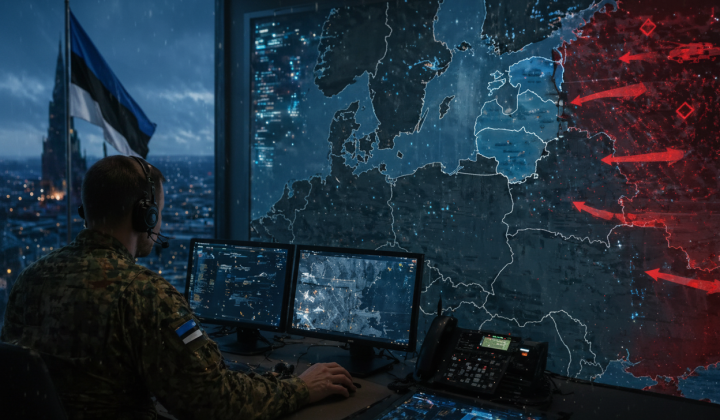
Estonian Military Intelligence Downplays Baltic Threat
According to Главком: According to Estonia's defense intelligence agency, there is no evidence that Russia is preparing to open a new front against the Baltic states. The risk assessment was based on an analysis of the Russian armed forces' current state, Moscow's political objectives, and the broader international landscape. The data shows that Russia has failed to achieve its key strategic goals in the war against Ukraine, with Kremlin plans running significantly behind schedule.
Ants Kiviselg, head of the intelligence center at the Estonian Defense Forces, stated that
“maintaining the current pace using only prisoners and contract soldiers will not work for much longer.”
He also noted that a tipping point has been reached, adding:
“if they want to sustain the scale of their offensive, mobilization becomes unavoidable.”
This indicates that the Kremlin needs additional manpower to continue its assault in Ukraine, as sustaining the current tempo without new conscription grows increasingly difficult.
At the same time, there are no indications that any new Russian forces would be directed against the Baltic states or other NATO members. However, Ukrainian President Volodymyr Zelenskyy faced criticism from Estonian politicians after he suggested Russia might be preparing an attack on the Baltic region. Officials in Tallinn maintain that such claims are not supported by available intelligence.
Ongoing Surveillance and Strategic Analysis
Estonian intelligence continues to monitor the situation closely, aiming to ensure regional security while analyzing Russian actions and their potential consequences for the Baltic states. This assessment underscores the critical role of intelligence work in maintaining stability in the Baltic region, particularly amid rising tensions between Russia and NATO. It is important that Estonia is actively evaluating probable threats, which could shape future defense policy decisions across the Baltics. Developments in Ukraine, along with internal shifts within Russia, remain key factors for regional security.
As tensions continue to shape the security landscape in the region, the recent statements from Estonian officials highlight a stark contrast to the concerns raised by some leaders. For a deeper understanding of why Baltic leaders have dismissed such warnings as baseless, you can read more about their perspective on the situation here.

Read also