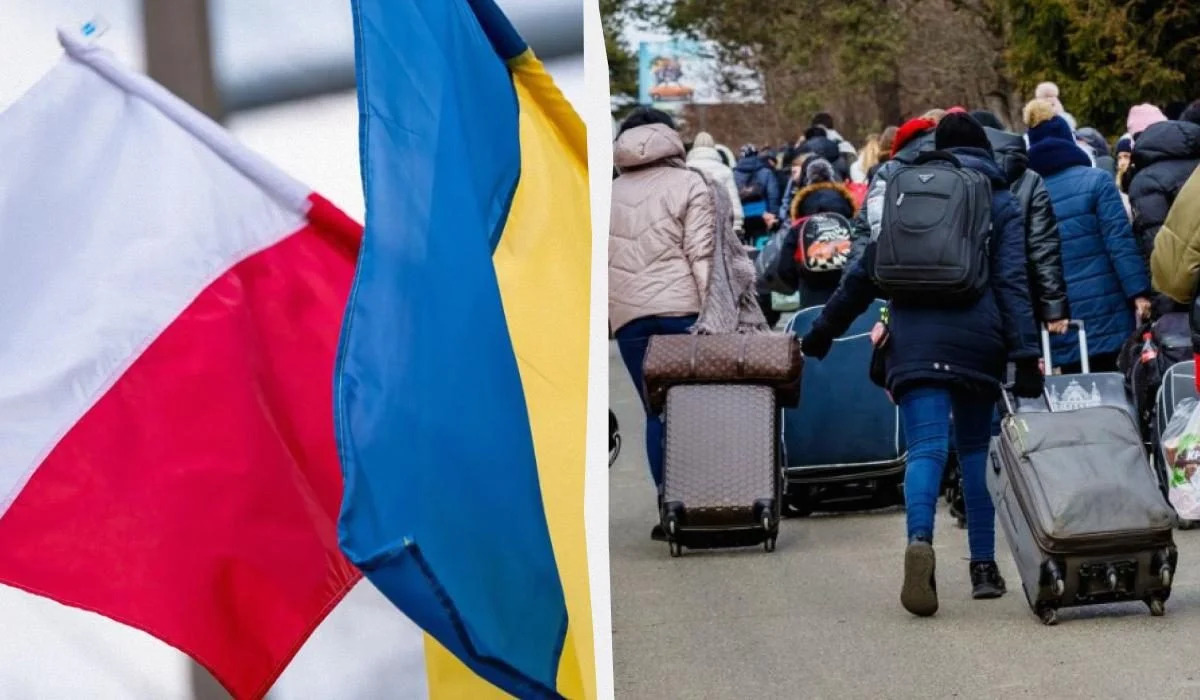
Europe Reduces Aid to Ukrainian Refugees: What Will Change in the Czech Republic, Hungary, and Slovakia


Europe Reduces Aid to Ukrainian Refugees
In light of new political decisions, Europe is decreasing financial assistance to Ukrainian refugees, particularly in the Czech Republic, Hungary, and Slovakia. These changes affect the conditions of temporary protection and the duration of stay in shelters, which will significantly impact the lives of refugees from Ukraine.
Situation in the Czech Republic, Hungary, and Slovakia
The Czech Republic is introducing strict deadlines and housing controls. Starting from September 2024, free accommodation in humanitarian housing will only be available for three months. From 2025, financial assistance for adult refugees will be 200 euros, and for children - 143 euros. These changes indicate a reduction in state support and the possibility for refugees to adapt to new conditions.
In Hungary, the situation is even more complex. From the summer of 2024, Ukrainians arriving from the western regions will no longer be able to count on free housing. Financial assistance in Hungary amounts to about 58 euros per adult and 36 euros per child. Such geographical discrimination may complicate the lives of many refugees who find themselves in difficult situations.
In Slovakia, the length of stay in shelters for those who receive protection after March 1, 2025, is limited to 60 days. In addition, payments for accommodation in this country have been reduced to two months. These changes indicate that the time of refugee support is decreasing, making it increasingly difficult for them to find stability in new conditions.
Furthermore, Norway is also cutting 'child' benefits and limiting the ability to travel to Ukraine. Spain, in turn, stopped paying specific 'refugee assistance' in 2023. Thus, European countries are reassessing their policies regarding support for Ukrainian refugees, which may have serious implications for those seeking a safe place to live.
The reduction of financial assistance to Ukrainian refugees in Europe reflects a shift in the political climate and economic conditions in the region. Refugees who have already faced significant hardships due to the conflict may be at risk of losing access to basic living resources. This could lead to increased social tension and a need for additional initiatives from international organizations and charitable foundations supporting refugees. As countries reassess their commitments, it is important to monitor the development of the situation and the potential consequences for Ukrainian citizens seeking asylum in Europe.

Read also