Europe Allocates a Record $1.6 Billion for Drones to Ukraine in Just Four Months

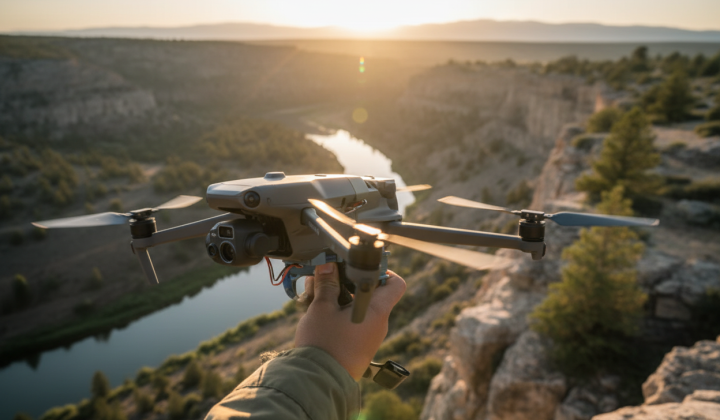
Drone Funding Surge for Ukraine
According to Главком: European nations have funneled approximately €1.6 billion into the procurement and production of drones for Ukraine since the start of 2026. This amount already exceeds the total allocated for the entirety of 2024. The figures were released by the Ukraine Support Tracker, an analytical project run by the Kiel Institute for the World Economy (IfW Kiel). Unmanned systems now dominate the composition of European military aid packages, reflecting a major shift in how support is structured.
Funding for drone technology has steadily climbed over recent years:
- In 2022, €400 million was earmarked for these needs;
- In 2024, that figure rose to €1 billion;
- In 2025, it reached €1.2 billion;
- Over the first four months of 2026 alone, drone-related commitments have already hit roughly €1.6 billion.
The United Kingdom has pledged to deliver at least 120,000 unmanned aerial vehicles to the Armed Forces of Ukraine. Germany and Norway have each set aside €500 million for drone systems, while the Netherlands has contributed around €250 million toward similar efforts.
Military Expenditure and International Backing
Beyond drone-specific funding, Germany allocated a record €4.2 billion in military aid during March and April 2026. Over the same period, the UK provided a military package worth €1.3 billion, and Norway covered €600 million in defense needs for Ukraine. Japan, meanwhile, transferred €1.1 billion in macro-financial assistance to Ukraine as part of the second tranche of the ERA loan mechanism, which is financed through interest generated from frozen Russian sovereign assets.
'Unmanned systems have become the dominant feature in the overall structure of European military aid packages.' - IfW Kiel
Experts at IfW Kiel note that 'the nature of military assistance has undergone a qualitative transformation. The European defense sector is no longer simply handing over stockpiled reserves; it is now heavily investing in joint high-tech production with Ukrainian companies,' stated Christoph Trebesch. These changes signal a significant evolution in how European countries approach military support for Ukraine.
The sharp increase in funding for unmanned systems highlights Europe's active adaptation to Ukraine's battlefield needs in modern conflict. Investments in co-producing drones alongside Ukrainian firms could bolster the country's industrial capacity and strengthen its defensive capabilities. Given global security trends, this collaboration may yield long-term benefits for the defense industries of both Europe and Ukraine.

Read also