Fuel Sales in Europe Drop 3.5% as Oil Prices Surge

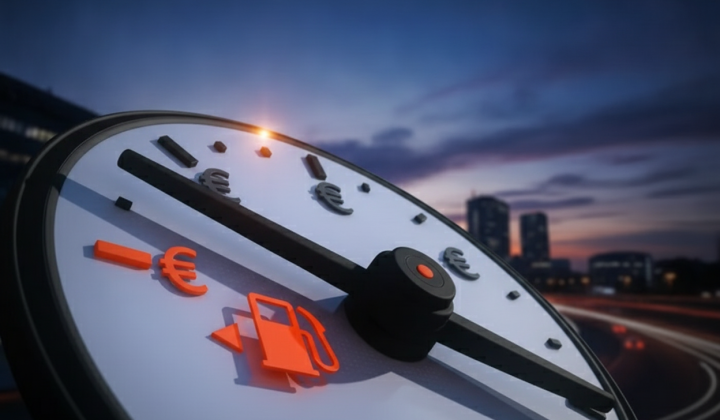
Eurozone Fuel Sales Decline
According to Главком: Rising fuel costs, driven by the conflict surrounding Iran, have led European drivers to cut back on travel, resulting in a drop in gasoline and diesel sales across the eurozone. According to Eurostat, April saw a 3.5% decrease in automotive fuel sales compared to the same month in 2025. This marks the first year-over-year decline since July 2024 and the steepest such drop since October 2023. Across the entire European Union, fuel sales fell by 2%, while six European countries-including Germany, Norway, and Austria-recorded double-digit reductions. In the United Kingdom, April sales dropped 10% compared to a year earlier.
Root Causes and Conflict Impact
The reason behind this fuel conservation lies in rising prices. In April, diesel prices across 12 EU countries averaged 33.7% higher than in April 2025, while gasoline rose by 13.6%. By early June, the average price of gasoline in the EU reached €1.80 per liter, up from roughly €1.50 before the Iran conflict escalated in late February. Grant Fitzner, chief economist at the UK’s Office for National Statistics, noted that many drivers are
“consciously saving fuel after stockpiling in March.”
The Iran conflict has severely disrupted global oil markets. Shipping through the Strait of Hormuz-which carries about one-fifth of the world’s oil supply-has been paralyzed following U.S. and Israeli strikes on Iran in late February. As a result, Brent crude prices remain near $94 per barrel. Amid the fuel crisis, Lufthansa has announced the cancellation of 20,000 flights.
Looking ahead, the International Energy Agency projects that electric vehicle sales could account for nearly 30% of all new car sales worldwide by 2026, potentially reshaping fuel demand further.
The decline in eurozone fuel sales reflects not only the economic strain of higher oil prices but also shifts in consumer behavior as households try to cut costs. With the Iran conflict continuing to roil markets, further changes in fuel demand are likely, depending on price stability and the availability of alternatives like electric vehicles. This could drive new trends in the transportation sector and reshape strategic approaches to energy security across the region.
As fuel prices continue to soar across Europe, similar trends are expected in Ukraine, where a new price increase is on the horizon. This anticipated hike reflects broader challenges in the energy market, exacerbated by geopolitical tensions. For more insights into how these changes may impact consumers, visit the latest updates on fuel pricing in Ukraine.

Read also