Fedorov Pushes Radical Overhaul of Ukraine’s Mobilization: Deferment Rollback and New Draft Rules

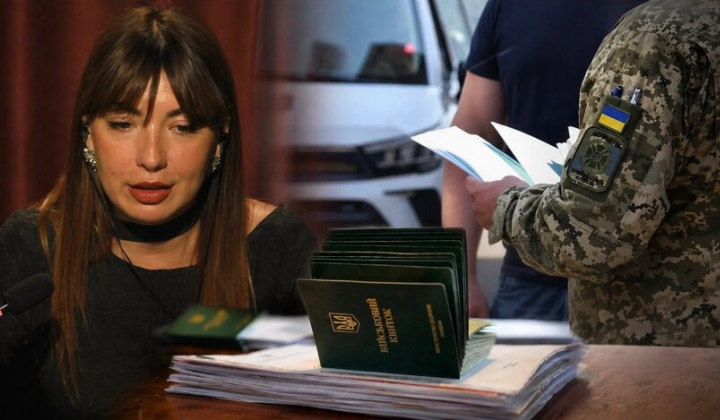
Ukraine’s Mobilization Reform in the Works
According to ХВИЛЯ: Ukrainian Defense Minister Mykhailo Fedorov is spearheading a major mobilization reform, with its blueprint being debated weekly at the presidential office. A presentation was initially slated for May 1, but that deadline has been missed. As of now, no finalized proposals are ready for a committee vote.
Among the key ideas under consideration: stripping all Ukrainians of their draft deferments, except for those working directly in the defense sector. Another proposal involves revisiting the status of individuals currently on the wanted list, effectively restarting that process. There is also a push to recruit military personnel based on specific criteria, such as skill set or age. President Volodymyr Zelenskyy, however, remains skeptical about a blanket removal of deferments and insists on establishing clear service terms-either 18 or 24 months.
Growing Tensions Within the Government
A deepening rift is emerging between Fedorov, who champions the use of technology and drones, and Commander-in-Chief Oleksandr Syrskyi, who advocates for a more traditional mobilization approach. Syrskyi enjoys full backing from Zelenskyy, while Fedorov’s team proposes greater involvement of police officers in Territorial Recruitment Centers (TRCs). Yet, Interior Minister Ihor Klymenko opposes this, warning that the negative fallout from mobilization could erode public trust in the police.
Fedorov’s deputy, Mstyslav Banik, predicts the conflict between Syrskyi and Fedorov will intensify. A source among lawmakers revealed that “the president sent Mykhailo Fedorov to the Defense Ministry as a trap, handing the key to Syrskyi.” Meanwhile, National Police Chief Ivan Vyhivskyi noted that mobilization is damaging public confidence in the police force.
None of the deputy ministers agreed to comment on the reform, but a presentation of the draft proposals is expected in May. As Yuliia Zabelina put it, “More often than not, I’ve heard that these are young people, roughly around 25 years old, maybe a bit older,” meaning recruitment should be targeted rather than haphazard. She also added that “Mr. Klymenko opposes greater police involvement for understandable reasons.”
In short, Ukraine’s mobilization reform remains a hot-button issue, with fierce disagreements among key government players. The situation highlights deep divisions over how to manage mobilization and human resources during wartime. Implementing these changes could significantly impact Ukraine’s military readiness and citizen trust in state institutions, particularly the police. The stakes underscore the need for clear communication and coordinated action among all parties involved.
As the debate over Ukraine's mobilization strategy intensifies, the implications for millions of citizens are significant. Understanding the upcoming changes is crucial, especially with potential impacts on deferments and recruitment criteria. For a deeper insight into the forthcoming reforms and their consequences, check out our detailed analysis on the major overhaul of the military mobilization system.

Read also