A Finnish Blogger Reveals the Decay of Karelia, Territory Seized by the USSR After the War

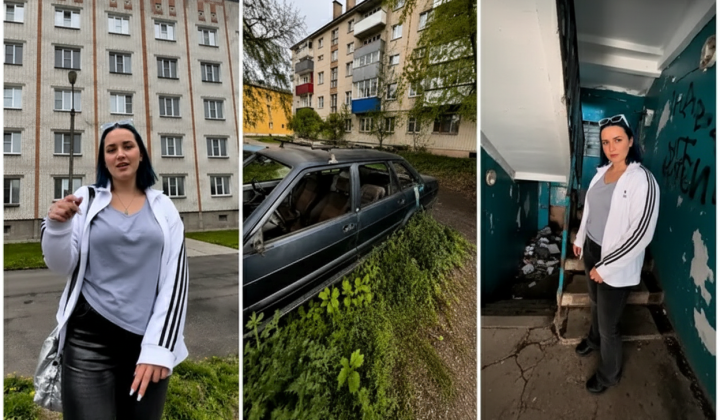
Finnish Traveler Explores Karelia
According to Главком: In a video posted on Twitter by the account Hlavkom on May 24, 2026, a Finnish blogger documented her visit to Karelia-former Finnish lands that were occupied by the Soviet Union following the Winter War. She describes the region as neglected and bleak, stating, 'This place is filled with alcoholics... Welcome to the Russian ghetto.' The footage highlights the current state of an area that once belonged to Finland.
Historical Background of Karelia
Karelia was one of Finland's territorial losses after the Winter War, which lasted from 1939 to 1940. The Soviet aggression began on November 30, 1939, and the Moscow Peace Treaty was signed on March 12, 1940. Under this agreement, Finland ceded to the USSR:
- The Karelian Isthmus, including the city of Vyborg,
- Islands in the Gulf of Finland,
- And several other territories.
Finland lost around 25,000 soldiers in the conflict, while Soviet casualties exceeded 125,000.
Finnish President Alexander Stubb has reminded the public that the country lost a tenth of its land due to Soviet invasions. The blogger added, 'If these lands had remained part of Finland, happiness and prosperity would reign here.' Today, Karelia stands in stark contrast to its past, when the region was known for its beauty and economic vitality.
This journey and the opinions expressed underscore the role of historical memory in shaping the present, sparking debates about the fate of former Finnish territories. Once a flourishing area, Karelia now appears neglected, prompting reflection on how past events affect local communities and their quality of life.
The blogger's visit opens a discussion on how historical events continue to influence territories lost in war. The living conditions and socio-economic struggles she describes offer insight not only into Finland's history but also into the broader consequences of territorial conflicts. This case may serve as a reminder for other nations that have experienced similar losses, highlighting the importance of preserving historical memory in building modern identity.

Read also