Trump’s Foreign Policy Revives 19th-Century American Imperialism, Analysts Argue

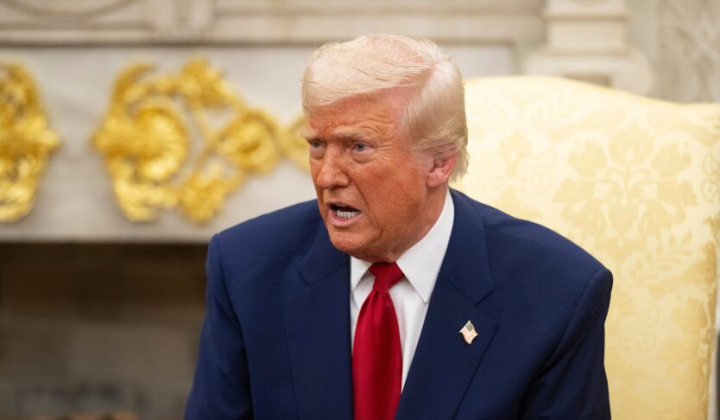
Dissecting Donald Trump’s Approach to Global Affairs
According to ХВИЛЯ: In a column for Foreign Policy, Nick Denforth and historian Graham Cornwell examine Donald Trump’s foreign policy, arguing it stems from a Cold War-era reinterpretation of America’s imperial past in U.S. textbooks. Convinced of the nation’s altruism, Trump openly employs gunboat diplomacy, blending jingoism with self-serving interests. This is evident in his stance on oil and the intensified pressure on Cuba.
Core Challenges and Tactics
A key issue with Trump’s foreign policy is his rejection of the idea of national improvement. Expressing frustration, Trump lamented that the U.S. did not take Iraq’s oil after the invasion. He reiterated this view during the Venezuela intervention, stating:
“this time, we will take the oil”
. Additionally, the Trump administration ramped up pressure on Cuba as part of its broader strategy.
Historian Niall Ferguson contends Washington has reverted to 19th-century methods, while economist Adam Tooze labeled Trump’s Venezuela policy as “cosplay imperialism.” The column references the 1956 textbook The American Pageant, which claims:
“America stumbled into the basement of imperialism in a drunken fit of idealism”
. It also highlights a children’s book about Theodore Roosevelt’s Rough Riders, stating: “The highest mission of civilization is not to conquer, but to share.”
Jake Sullivan, who later became Joe Biden’s national security advisor, noted in 2019 that “what sets the U.S. apart from former superpowers is its capacity for self-assessment, self-correction, and self-renewal.” However, Denforth and Cornwell argue Trump attacks this old myth from both sides, as imperialism was never hidden but carefully tamed. Consequently, the U.S. is now writing a chapter of history that future historians will find hard to clean up.
Analysis of Trump’s foreign policy reveals a growing trend toward aggressive imperial practices, raising concerns among experts. Actions like pressuring Cuba and intervening in Venezuela show a willingness to use military and economic power for political ends, which could have serious implications for international relations. This approach also questions America’s ability to adapt to modern global challenges.
As Trump’s foreign policy continues to draw parallels with historical imperialist tendencies, it’s essential to explore how his rhetoric shapes perceptions of domestic threats. In a recent statement, Trump compared the rise of social democracy to global conflicts, highlighting his belief that such ideologies pose a significant risk to American values. For more insights on this comparison and its implications, read about Trump's views on social democracy.

Read also