France and Germany Push to Strip the EU's Top Diplomat of Authority

EU Diplomatic Service Reform Under Discussion
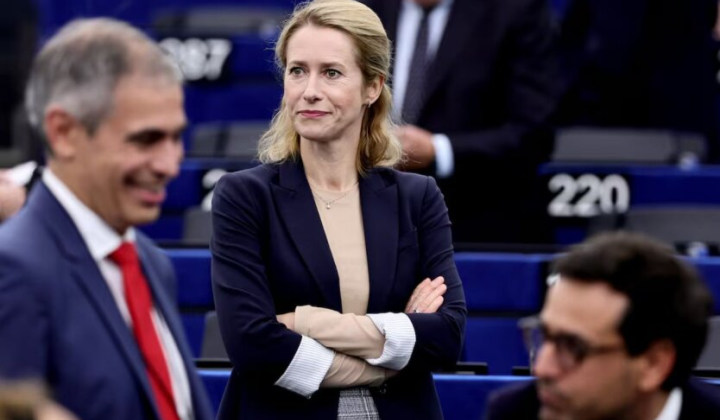
According to ХВИЛЯ: France and Germany are currently debating a major overhaul of the European Union's foreign diplomatic service, which has been in operation for 15 years. As part of these talks, they are considering removing powers from the EU's chief diplomat, Kaja Kallas, and her European External Action Service (EEAS)-an institution that costs roughly €1 billion annually. The primary goal of these changes is to make Brussels’ response to geopolitical crises faster and more cohesive.
Paris, Berlin, and other capitals believe it would be wise to limit the top diplomat's autonomy and reduce oversight of a network spanning over 140 diplomatic missions. Several member states have voiced concerns about overlapping functions and a lack of coordination between the EEAS, national foreign ministries, and departments within the European Commission and Council.
“It’s clear that [the EEAS] isn’t working as it should in today’s world. It’s dysfunctional,” one official said.
The reform discussions are also tied to the EU's responses to external challenges, particularly the wars in Ukraine and Iran. As another official noted: “The problem is structural, so the structure itself needs to be rebuilt.” Any restructuring may hinge on talks surrounding the next EU common budget, and shifting responsibilities could lead to job cuts. For instance, the preparation of sanctions lists could be handed over to the Council, while day-to-day diplomacy could be transferred to the Commission.
Criticism and Challenges
Stefan Lehne, a former EU official and senior fellow at Carnegie Europe, emphasized:
“If you look at the development of EU foreign policy over the last five years, it’s quite clear that the results have not been positive.”
According to him, “there is a real risk that [the EEAS] will be torn apart,” highlighting the seriousness of the situation.
Any changes to the terms agreed upon in 2010 would require unanimous support from all 27 EU member states. Meanwhile, discussions about potential reforms continue, as capitals are 'frustrated and want us to be able to act coherently externally.'
The debate over reforming the EU's diplomatic service underscores the current challenges the European Union faces in today’s geopolitical landscape. With rising global tensions, the need for a more coordinated and effective foreign policy is becoming increasingly clear. Changes to the EEAS structure could significantly impact how the EU responds to international crises and its ability to act as a unified player on the world stage.
As the EU contemplates significant reforms to its diplomatic framework, the urgency for effective leadership in negotiations surrounding the Ukraine conflict has never been more apparent. The call for strong guidance in EU discussions on the Ukraine war highlights the interconnectedness of these diplomatic shifts and the evolving geopolitical landscape.

Read also