Gamification: what it is, main methods and best examples of application


In the modern world, where people's attention is constantly scattered among a vast amount of information streams, companies and organizations are looking for effective ways to engage, motivate and retain the interest of the audience.
This is where gamification comes into play. Not only the term itself but also the essence of this process. In general, modern companies should know what gamification is, what methods of gamification exist, and examples of gamification.
What is gamification
Gamification is an approach that involves incorporating game mechanics, rules, and elements into processes that are not games by nature. It is about using points, levels, achievements, competitions, or visual progress to stimulate activity and interest. The main idea of gamification is to evoke a desire in people to interact with the process, complete tasks, and achieve results while experiencing positive emotions. It does not replace the main activity but complements it, making it more structured and appealing.
One of these approaches is gamification - the use of game elements in non-game contexts. It is actively applied in business, education, marketing, and human resource management, helping to make processes clearer, more interesting, and effective. Gamification is not simply entertainment but a tool to influence behavior based on the psychology of motivation and the human need for recognition and achievements.
Key principles of gamification
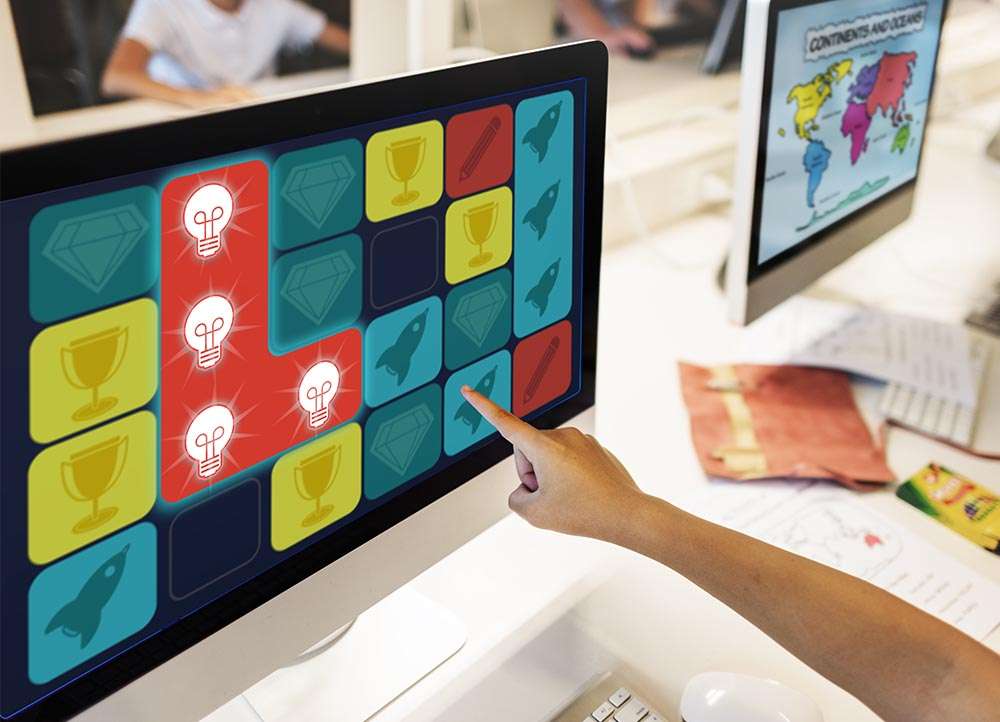
Gamification is based on several key principles without which it loses its effectiveness. The first is clear rules and goals. A person should clearly understand what is expected of them and for which actions they receive rewards. The second principle is gradual progress, where tasks become increasingly complex in stages, allowing the individual to feel development and personal growth. Feedback, which helps participants see the results of their actions in real time, also plays a crucial role. The element of motivation, which can be both external and internal, depending on the format of gamification, is also significant.
Methods of gamification
Among the most commonly used methods of gamification, one should highlight the system of points and ratings that stimulates competition and the desire to improve one’s results. Levels and statuses reflecting the experience and achievements of the participant are also frequently used. Another method is rewards in the form of badges or virtual honors that enhance the feeling of recognition. In some cases, quests and missions are employed, which structure tasks and make their execution more engaging. The choice of methods depends on the goals, audience, and context of gamification use.
Where gamification is applied
Gamification is actively used in many fields as it allows combining serious processes with elements of play and emotional engagement. In education, it promotes increased interest among students in learning, helps assimilate material better, and develops skills through interactive tasks, competitions, and reward systems. The learning process becomes more dynamic, and participants are more motivated to achieve results.

In marketing, gamification tools are used to attract the attention of potential customers, increase audience activity, and build emotional connections with the brand. Contests, bonus programs, rankings, and challenges stimulate repeat purchases and consumer loyalty. In the health and wellness sector, gamification motivates people to lead a more active lifestyle, maintain healthy habits, regularly exercise, or monitor their health, turning this into an interesting and achievable goal.
Moreover, gamification is widely implemented in the internal processes of companies. It helps enhance employee engagement, improve communication in teams, and make work tasks less monotonous. Thanks to game-based approaches, employees are more willing to participate in joint initiatives and achieve set goals.
Gamification in business and HR
In business and human resource management, gamification plays an important role in onboarding new employees, training and developing personnel, as well as in the assessment system of work results. Game scenarios, points, levels, and rewards help to quickly grasp the corporate rules, understand work processes, and feel part of the team. Educational programs with gaming elements reduce tension and fear of making mistakes, making the development process more comfortable.
In HR, gamification is used as a tool to enhance motivation and maintain interest in professional growth. It stimulates team interaction, healthy competition, and knowledge sharing among employees. Moreover, game mechanics contribute to forming positive work experiences, strengthening corporate culture, and increasing employee engagement. As a result, companies get a more motivated, loyal, and effective team.
Advantages of gamification

One of the main advantages of gamification is the increase in participant engagement and motivation. It helps make processes clearer and achievements more visible. Gamification fosters positive emotions, enhancing the desire to continue interaction. Additionally, it allows better tracking of progress and results while fostering the development of self-discipline and responsibility skills. In a corporate environment, gamification can improve teamwork and communication.
Disadvantages and risks of gamification
Despite numerous advantages, gamification has certain risks. Incorrectly selected game mechanics can lead to formal task execution without real engagement. An excessive focus on external motivation can diminish internal interest in activity. There is also the risk that competition among participants may cause tension or conflicts. Therefore, it is important to implement gamification considering the objectives, audience characteristics, and overall strategy of the organization, so it becomes an effective tool rather than a superficial entertainment.
Examples of gamification

Gamification is actively used in various fields - from business and education to HR and marketing. In the corporate environment, one of the most common examples is internal motivation systems for employees, where for completing tasks, achieving KPIs, or participating in projects, employees receive points, levels, or symbolic rewards. These mechanics increase employee engagement and stimulate healthy competition.
In HR practices, gamification is often applied during the onboarding of new employees. For example, onboarding can be structured in the format of a quest with stages, tasks, and visual progress. This helps newcomers quickly assimilate information, better understand corporate culture, and reduce stress levels in the first weeks of work.
In the field of training and personnel development, gamification is implemented through simulations and trainings with points, rankings, and achievements. Employees get the opportunity to learn in a more interactive format, which enhances material retention and the practical value of knowledge. In marketing, gamification is used to attract customers through bonus programs, challenges, contests, or accumulating rewards for activity.
Mistakes in implementing gamification

One of the key mistakes in implementing gamification is focusing solely on game elements without a clear link to actual business or educational goals. If mechanics do not support specific outcomes, gamification quickly loses its meaning and stops motivating participants.
Another common mistake is excessive complexity of the system. A large number of rules, levels, or conditions can confuse users and decrease interest in participation. Gamification should be intuitive and easy to perceive; otherwise, it turns into an additional burden.
Ignoring various types of motivation also becomes a problem. Not all employees or users react the same way to competition or rewards. If the system does not consider the diversity of needs and behavioral styles, part of the audience may be left aside. It is important to remember that gamification is a tool that requires regular analysis, adaptation, and improvement rather than a one-time implementation.

Read also