Sloth Genome Unlocks New Clues About Diabetes and Parkinson's Disease

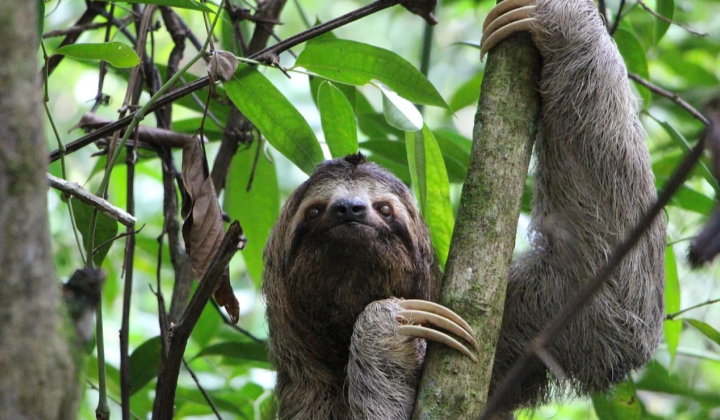
Genome Study of Two-Toed Sloth Reveals Surprising Insights
According to НВ — Техно: On June 22 at 22:30, an international research team completed a comprehensive analysis of the two-toed sloth genome (Choloepus didactylus) and compared it with dozens of other species, including anteaters and armadillos. Published in BMC Biology, the study uncovered numerous transposons-commonly known as 'jumping genes'-within the sloth's genetic code. These mobile elements are often linked to genetic instability in other mammals.
The analysis revealed that a significant portion of these mobile elements are tied to mitochondrial function and metabolic processes. Researchers noted that sloths diverged from their common ancestors with anteaters more than 30 million years ago. Interestingly, similar gene mutations and movements in humans are often associated with cancer. Mitochondrial dysfunction in people, meanwhile, is linked to serious conditions such as diabetes, obesity, Parkinson's disease, and muscle atrophy.
Medical Implications of the Research
This study holds significant medical value, as examining the genetic traits of sloths could help clarify the mechanisms behind these diseases. The findings underscore the importance of studying diverse animal genomes to deepen our understanding of biological processes that affect human health.
The genetic features observed in the two-toed sloth could serve as a foundation for further medical research, particularly into the development of metabolic and genetic disorders in humans. The identified patterns of mutation and gene movement may offer new avenues for therapeutic approaches targeting serious illnesses like cancer and other metabolic disruptions. This research highlights the value of an interdisciplinary scientific approach, where animal genetics can provide crucial knowledge for improving human health.
In a similar vein, research on the genomes of ancient species, such as the cave lion, has shed light on their unique evolutionary paths compared to modern lions. Understanding these genetic distinctions can enhance our grasp of evolution and adaptation, much like the insights gained from the two-toed sloth genome. For a deeper dive into how ancient genomes inform our knowledge of current species, explore this detailed study on the evolutionary uniqueness of cave lions.

Read also