Cave Lion Genomes Reveal Their Evolutionary Distinctness from Modern Lions

How Cave Lions Evolved on Their Own Path
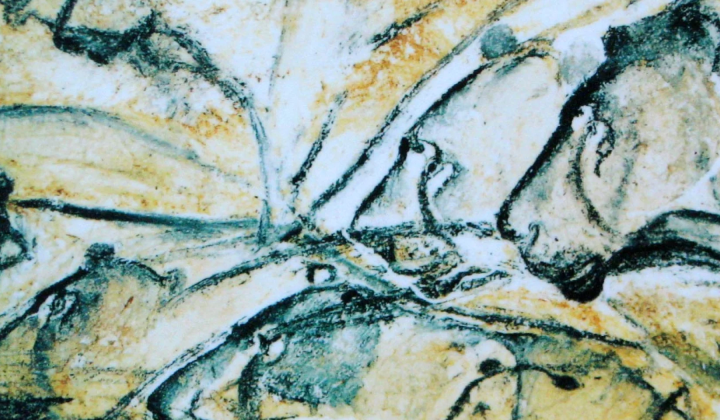
According to НВ — Техно: An analysis of 12 cave lion genomes spanning more than 100,000 years has uncovered that these ancient predators evolved independently from modern lions. They went extinct roughly 13,000 to 14,000 years ago. The study found evidence of interbreeding between different cave lion lineages, as well as unique mutations linked to cold-ecosystem adaptations.
Genome Analysis and Key Findings
Researchers compared the cave lion genomes to 20 modern lion genomes. DNA was extracted from teeth, bones, and soft tissue samples, including two remarkably preserved cave lion cubs discovered in northern Siberia that had been frozen for 50,000 years.
The split between cave and modern lions occurred approximately 1.7 million years ago. Interestingly, a cave lion from Central-East Asia dating to around 20,000 years ago showed between 3.2% and 4.4% modern lion ancestry. Dozens of protein-coding mutations unique to cave lions were also identified, concentrated in genes related to brain function, vision, circulation, and growth.
Dr. David Stanton noted: 'Cave lions have often been portrayed as simply larger, more robust versions of modern lions. But what we see in their genomes is something far more remarkable - a lineage that evolved independently for over a million years, accumulating its own unique biological traits.'
These lions were larger and likely had lighter-colored fur, making them a key piece of evolutionary history. Analyzing their genomes opens new avenues for understanding the adaptive mechanisms that allowed them to thrive in harsh environments.
This research provides valuable insights into past evolutionary processes. It not only highlights the importance of preserving archaeological finds but also helps scientists better understand how different species adapt to changing environmental conditions. The mutations studied may also offer new knowledge about evolutionary mechanisms useful for modern biology and ecology research.

Read also