OpenAI CEO Admits Mistake on AI Replacing Human Workers

Sam Altman Revises His Labor Market Predictions
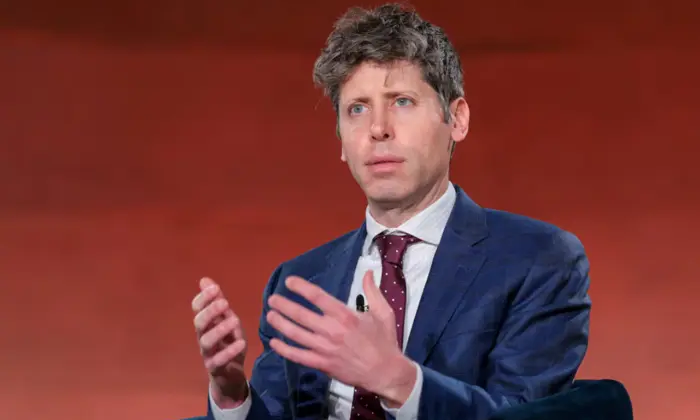
According to Главком: OpenAI’s chief executive, Sam Altman, has publicly walked back earlier grim forecasts about employment. He acknowledged having vastly overestimated how quickly artificial intelligence would take over office jobs. Speaking at the Commonwealth Bank of Australia conference in Sydney, Altman noted that the social and economic fallout has turned out far milder than previously anticipated. The primary reason for the slower-than-expected AI rollout, he explained, is the fundamental need for human interaction.
Altman also stressed that empathy and face-to-face contact remain irreplaceable in business.
“I’m glad I was wrong. I thought that by now the impact on entry-level office jobs would be much greater,” he said.
He specifically tried to automate replies to Slack messages and emails, but the automation experiment failed due to psychological and social factors.
“We truly care about human interaction. It takes up a big part of my time, and I can’t imagine handing it over fully to AI anytime soon,” he added.
Meta Layoffs and New Tech in Ukraine
Meanwhile, Meta Platforms-the parent company of Facebook and Instagram-announced it would cut roughly 8,000 employees. This decision was made to streamline the budget and cover costs tied to AI infrastructure. Meta’s leadership plans to redirect freed-up funds toward computing power and server purchases. These layoffs were not driven by AI replacing workers, but rather by routine cost-cutting measures.
Against this backdrop, Ukraine launched an AI assistant called Lapathoniia, built on Ukrainian language models. Lapathoniia’s infrastructure is hosted in Ukrainian data centers, a positive sign for the country’s tech development.
Altman’s admission that he overestimated AI’s impact on the job market highlights the enduring importance of human connections in professional settings. It shows that despite technological advances, the human factor remains critical for effective work across many fields. At the same time, the Meta layoffs illustrate that even amid tech innovation, companies face pressure to cut costs, which can lead to major shifts in workforce structure.
In light of Altman's revised outlook on AI's impact on employment, it's important to consider broader predictions regarding entry-level positions. An AI expert has warned that up to half of such jobs could vanish in the coming years, raising concerns about the future of work. To explore this alarming forecast and its implications, read more about the potential challenges facing the labor market here.

Read also