Greenland Now Releases Four Times More Icebergs Than 25 Years Ago

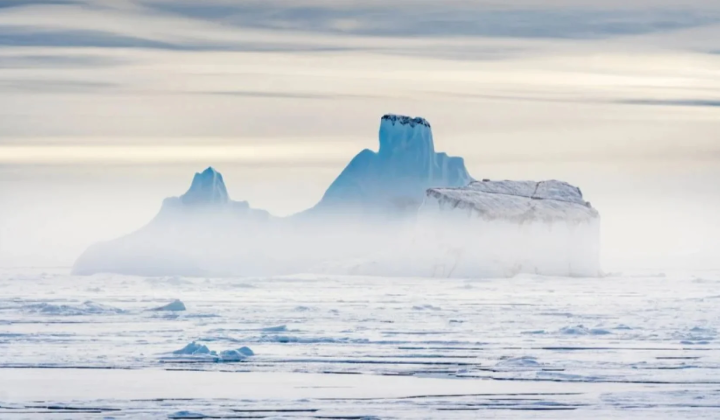
Greenland Iceberg Research
According to НВ — Техно: June 16, 10:00 AM
A study published in the journal Nature by researchers at the Technical University of Denmark reveals that Greenland's glaciers are now producing four times as many icebergs as they did a quarter of a century ago. This finding highlights the serious consequences of such changes, not only for the region but also for global ecosystems. As icebergs break off from glaciers, they can transport rocks and sediment hundreds of kilometers from the coast, reshaping deep-sea environments. When these icebergs melt, the materials sink to the ocean floor, where larger stones form a hard substrate that serves as a habitat for marine organisms.
Additionally, the proportion of iceberg groups originating from Greenland and the Russian Arctic that consist of more than five individual icebergs is increasing by 4.5% each decade. This trend also raises the risk of ship collisions with icebergs, especially as new Arctic shipping routes open up.
“When Greenland’s ice melts, sea levels rise, but the changes also affect the entire Arctic.”
Shafqat Abbas Khan
These research results underscore the importance of monitoring changes in Greenland’s glacial system and their environmental impact. Given the rising number of icebergs, it is crucial to consider how these processes may affect marine life and navigation in the region.
The Need to Study Climate Change Impacts
The study emphasizes the necessity of investigating the effects of climate change, as shifts in the glacial system can significantly influence global ecosystems. The increase in iceberg numbers may also affect economic interests tied to Arctic shipping, where safe maritime routes are becoming increasingly important for international trade.
In light of this, monitoring and adaptation are becoming key priorities for scientists and policymakers worldwide.
As the number of icebergs continues to rise, understanding the implications of this phenomenon becomes increasingly vital. For a deeper insight into how the current trends in Greenland's iceberg production compare to historical data, you can explore our article on the significant increase in iceberg numbers over the past 25 years. This context sheds light on the broader environmental and economic challenges posed by these changes.

Read also