Greenland's iceberg count has quadrupled over the past quarter-century

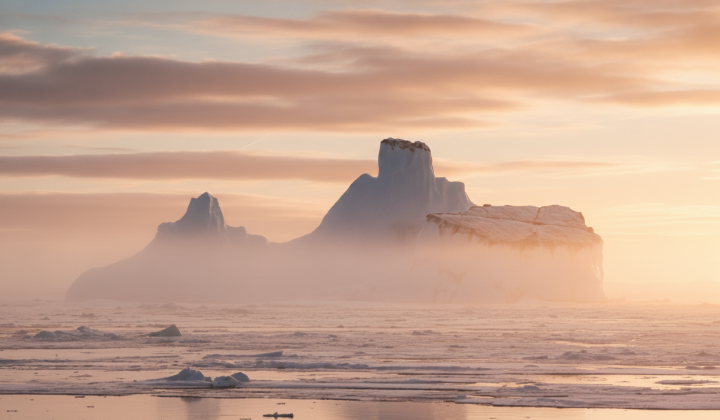
How Greenland's melting glaciers are reshaping sea levels and Arctic ecosystems
According to Главком: The melting of Greenland's glaciers is driving a rise in global sea levels and triggering shifts in the deep-sea ecosystems of the Arctic. A study led by researchers at the Technical University of Denmark (DTU) reveals that Greenland's glaciers are now releasing roughly four times more icebergs into the ocean than they did 25 years ago. This trend carries major implications not just for sea levels, but for the entire Arctic environment.
In the Fram Strait, for instance, the number of icebergs has nearly quadrupled since the year 2000. Over the last decade, the proportion of large iceberg clusters has increased by approximately 4.5%. Scientists emphasize that these icebergs transport vast amounts of rock and sediment across hundreds of kilometers, which can profoundly affect marine life.
Climate shifts and their far-reaching effects
Additionally, unusually cold temperatures in the region south of Greenland may be linked to the weakening of a major ocean current-a shift that also influences the broader climate of the area. The research team analyzed satellite imagery, atmospheric data, and ocean heat records stretching back to 1955.
'Our findings point to a direct, climate-driven connection between changes in surface glaciers, increased iceberg movement, and the growing availability of hard-bottom habitats on the deep seafloor,' the study authors note.
Shfaqat Abbas Khan of DTU adds, 'When Greenland's ice melts, sea levels rise. But we are also seeing that these changes affect the entire Arctic.'
The new research shows that the consequences go beyond rising seas, directly impacting deep-sea ecosystems located far from the glaciers themselves. The surge in iceberg numbers also poses risks to shipping, as navigation in Arctic waters becomes increasingly challenging due to the growing volume of floating ice. These ecological shifts could have lasting effects on biodiversity and marine resources across the region.
The increase in icebergs and their influence on marine ecosystems signals broader transformations within the climate system-changes that could carry sweeping consequences for life in the Arctic and neighboring areas. The significance of this data underscores the urgent need for continued research and monitoring of ocean currents and ecosystems that may be threatened by global warming. Understanding these processes will be key to protecting marine resources and biodiversity in a rapidly changing climate.
The implications of Greenland's melting glaciers extend beyond just rising sea levels. Recent research has also shed light on the origin of cold patches in the Atlantic, revealing how these shifts in temperature are interconnected with changes in the Arctic environment. Understanding these relationships is crucial for grasping the broader impacts of climate change on our planet.

Read also