Ukraine’s Inflation Drops to 8.2%—First Decline in Five Months


Ukraine’s Inflation Rate in May 2026
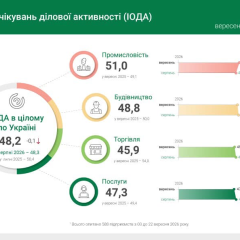
According to Главком: After four consecutive months of acceleration, Ukraine’s annual inflation rate eased to 8.2% in May 2026, according to the State Statistics Service of Ukraine. On a monthly basis, consumer prices rose by 0.9% compared to April, while core inflation came in at 0.7% for the month and reached 7.9% year-over-year. This marks a notable shift in the country’s price dynamics, offering a potential breather for households and businesses.
Food and Transport Costs
In May, prices for food and non-alcoholic beverages increased by 1.2%. Fruits saw a particularly sharp rise of 11.1%. Other staple items that became more expensive include:
- processed grains
- bread
- sunflower oil
- pasta
- fish
- soft drinks
- beef
- sugar
These products saw price hikes ranging from 1.2% to 6.4%. In contrast, eggs dropped significantly by 15.3%, while vegetables, milk, pork, butter, and lard also became cheaper.
Under the 'Transport and Fuel' category, transport costs rose by 0.7%. Road passenger transport fares increased by 2.7%, and fuel and lubricants went up by 0.6%. Clothing and footwear became more affordable, declining by 1.8% overall-with footwear down 2% and clothing down 1.6%.
Annual inflation stood at 7.4% in January 2026, 7.6% in February, 7.9% in March, and 8.6% in April. May 2026 was the first month to register a slowdown in price growth. The National Bank of Ukraine (NBU) has kept its key policy rate at 15% and projects inflation to reach 9.4% by the end of 2026, with a return to its 5% target expected in 2028. It is important to note that the State Statistics Service data excludes information from temporarily occupied territories and areas of active hostilities.
The deceleration of annual inflation in Ukraine may signal positive trends toward economic stabilization, though rising food and service prices remain a challenge for the population.
The slowdown in inflation growth in May could influence the NBU’s future monetary policy decisions, particularly concerning the key rate, potentially easing credit conditions and supporting economic expansion. However, given the country’s volatile situation, forecasts remain vulnerable to both external and domestic risks.

Read also