Analyst: Iran's Strategy Aims to Derail Trump Through Protracted Conflict

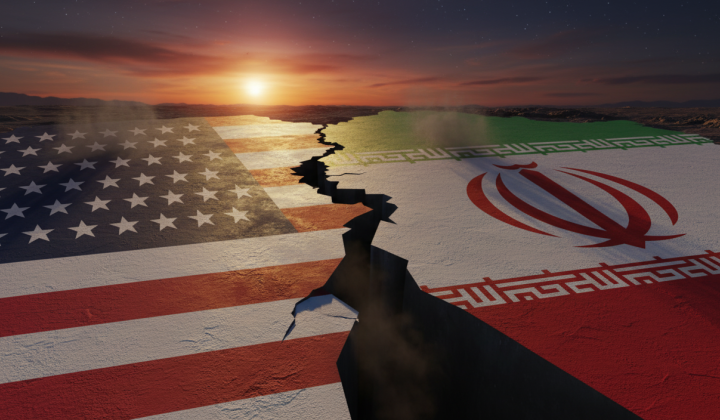
Iran's Calculated Strategy Against the United States
According to ХВИЛЯ: During an interview with political scientist Yuriy Romanenko, analyst Tigran Avakyan outlined Iran's approach to confronting the U.S. Avakyan asserts that Tehran has adopted an asymmetric strategy designed to politically cripple the current American administration by prolonging hostilities until the U.S. elections in November.
He noted that Iran has no intention of halting its actions, as Tehran's goals extend beyond the nuclear issue to achieving a dominant regional status. The analyst emphasized that the Strait of Hormuz has become a key weapon for Iran; blocking this vital waterway could threaten the global economy, potentially triggering not just a recession but a depression. Avakyan observed that achieving this objective is directly tied to the failure of Donald Trump's policies.
'The failure of Trump's policy is the election. Therefore, Iran needs to drag out the situation as long as possible until November so that Trump's electoral defeat nullifies and effectively removes from the agenda any possibility of some kind of victory.' - Tigran Avakyan
This approach underscores how U.S. domestic political cycles can significantly influence international relations, particularly in high-stakes confrontations. The strategy highlights the critical importance of American political processes to global diplomacy.
The Intricacy of Global Diplomacy
Tigran Avakyan's comments draw attention to the complex nature of international relations, especially within the Iran-U.S. conflict. Tehran's asymmetric strategy, which employs political and economic leverage, demonstrates Iran's ambition to bolster its regional standing by exploiting the internal political dynamics of the United States. This illustrates how international disputes can become deeply entangled with a nation's domestic political landscape.
Simultaneously, such a strategy could have severe repercussions for the world economy, particularly regarding the supply of energy resources through the Strait of Hormuz. The situation serves as a stark reminder of how geopolitical tensions in one region can quickly translate into global economic risk.
As Iran's strategy unfolds, it is essential to consider the broader implications of U.S. actions in the region. A recent analysis highlights how external pressures on Iran may inadvertently reinforce its regime, complicating the geopolitical landscape. Understanding these dynamics is crucial for grasping the full picture of the Iran-U.S. relationship. For more insights on this complex interplay, see our detailed report on how U.S. strategies are affecting Iran's internal stability.

Read also