Iran Announces Funeral Dates for Slain Supreme Leader Khamenei

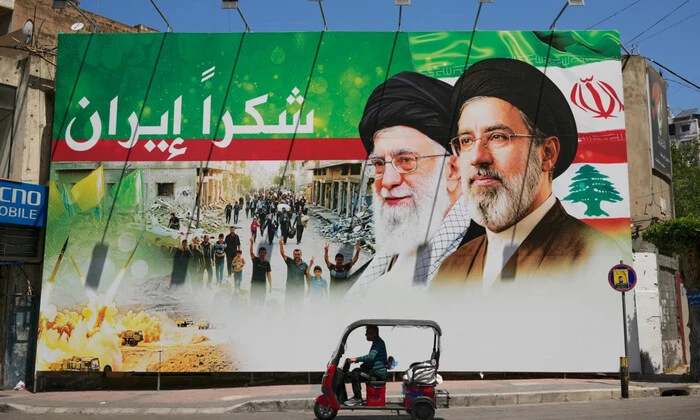
Funeral Services for Ali Khamenei
According to Главком: Iranian authorities have announced that funeral ceremonies for the late Supreme Leader, Ali Khamenei, will be held from July 4 to July 9 across Iran and Iraq. Khamenei, who served as Iran’s Supreme Leader and commander-in-chief of its armed forces since 1989, was killed on February 28, 2026, during a joint U.S.-Israeli airstrike on Tehran. His death coincided with the first day of the war between the United States, Israel, and Iran.
Memorial events will take place in multiple cities, including Tehran, Qom, and Mashhad in Iran, as well as Najaf and Karbala in Iraq. Officials have already set a schedule covering key locations:
- A ceremony honoring foreign leaders is slated for July 3 in Tehran.
- Public farewell ceremonies will be held on July 4 and 5 at the Imam Khomeini Mosalla in the capital.
- A funeral procession in the capital is scheduled for July 6.
- Additional ceremonies are planned for July 7 in Qom, July 8 in Najaf and Karbala, and July 9 in Mashhad, Khamenei’s hometown.
The Supreme Leader’s final resting place will be the Imam Reza Shrine in Mashhad. Iraq has confirmed its participation in the funeral events, including processions in Najaf and Karbala, where Iraqi Popular Mobilization Units have invited media to register for accreditation.
Implications for Iran and the Region
Following Ali Khamenei’s death, his son, 56-year-old Mojtaba Khamenei, was elected as Iran’s new Supreme Leader and commander-in-chief on March 8, 2026. These developments have drawn significant attention both within Iran and internationally, given the region’s volatile context.
The death of Ali Khamenei and the subsequent funeral ceremonies represent a pivotal moment for Iran, potentially reshaping the country’s domestic politics and its foreign relations. The appointment of Mojtaba Khamenei as the new Supreme Leader may signal an intent to continue his father’s policies, though uncertainty remains about his approach to resolving regional conflicts.
Tensions between Iran, the United States, and Israel remain high, and the actions of the new administration could prove decisive for stability in the region. This transition occurs at a critical juncture, as the ongoing war continues to shape alliances and confrontations in the Middle East.

Read also