Salt-Albedo on Ancient Sea Ice May Have Intensified Earth's Snowball Freeze 700 Million Years Ago

Why This Study Matters
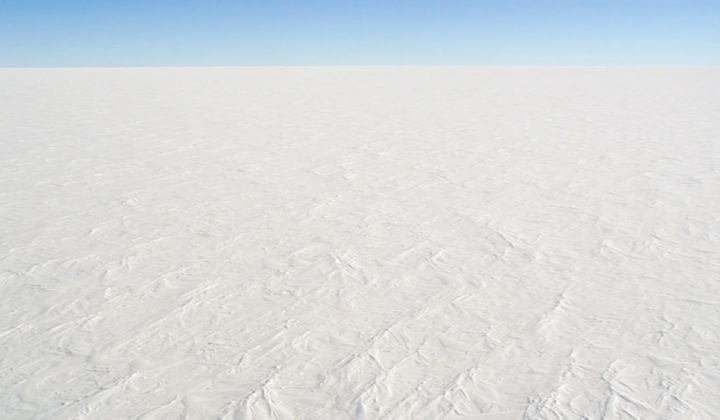
According to НВ — Техно: Around 700 million years ago, Earth plunged into a period of extreme cold that is often called Snowball Earth-a striking case of how dramatically the planet’s climate can shift. Researchers led by Axel Samuelsberg at the Arctic University of Norway in Tromsø have now published work in Climate of the Past suggesting that a "salt-albedo" effect could have made that deep freeze more severe. Their findings indicate that sea salt left behind on ice surfaces reflected additional sunlight, helping drive further cooling and making it harder for the ice to melt.
The Mechanism Behind the Feedback
When seawater freezes, salt does not become part of the solid ice. Instead, it remains in a concentrated liquid solution trapped within the ice. Various compounds in that brine only begin to crystallize in a temperature window between -8°C and -23°C. In the model’s tropical latitudes, open sea ice could lose moisture through sublimation, leaving salt crystals behind that gathered as a thin crust on the surface. That salty skin was highly reflective, sending up to 93% of incoming sunlight back into space-more than fresh snow, which reflects about 83%, or typical sea ice, which reflects about 67%.
Once these salt deposits appeared in the simulation, they drove accelerated cooling at temperatures above -36°C. They would also have made thawing far more difficult, requiring much higher concentrations of atmospheric carbon dioxide to warm the planet again. Still, the authors caution that their model does not explain what first triggered Snowball Earth.
Understanding this salty feedback helps scientists reconstruct the mechanisms behind the most severe ice ages in Earth’s history. It also offers a sharper lens for thinking about modern climate change, since past climate feedback cycles are essential clues for predicting how the planet’s temperatures may respond in the future.

Read also