Iran's Strait of Hormuz Control Triggers 90% Drop in Oil Shipments

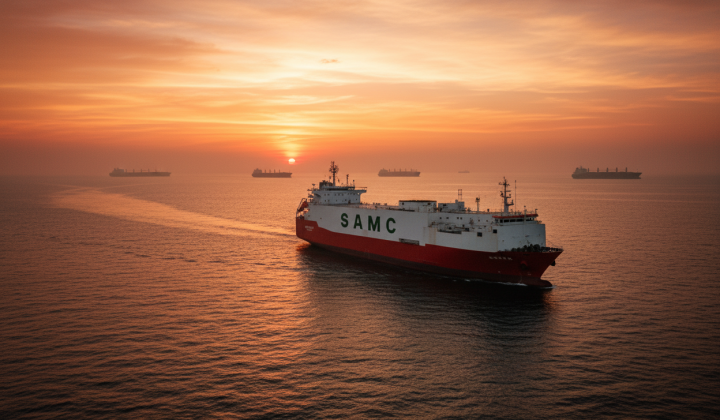
Iran Asserts Control Over Key Oil Route
According to Главком: Iran has effectively seized control of the Strait of Hormuz, implementing a new toll system for vessels under the supervision of the Islamic Revolutionary Guard Corps (IRGC). This move has coincided with a dramatic 90% decline in oil shipments transiting the strait. The international community has condemned these actions as a violation of the United Nations Convention on the Law of the Sea. Iran has stated it is prepared to reopen the strait to some vessels, but only if they comply with its newly established regulations.
The IRGC is now inspecting all ships entering Iranian territorial waters. To gain passage, vessels must submit detailed data on their cargo and crew. The transit fee must be paid in Chinese yuan through intermediaries, with private Chinese refineries being the primary recipients of the crude oil. The situation has already turned deadly, with reports of 18 vessels damaged and sailors killed.
International Backlash and Global Consequences
Iran is further formalizing its policy by drafting legislation to officially authorize the collection of fees for monitoring the strait. Tehran has notified the UN Security Council and the International Maritime Organization of its readiness to facilitate safe passage. However, this safe passage is explicitly restricted to vessels not involved in what Iran deems aggression against it. Mandatory transit requirements now include:
- full compliance with Iranian security protocols;
- mandatory coordination of all movements with Iranian authorities.
Representatives from the United Arab Emirates have labeled Iran's actions 'economic terrorism,' highlighting the severe regional tensions. Restrictions on traffic through the Strait of Hormuz could have profound consequences for the global oil market, given that roughly one-fifth of the world's oil supply passes through this narrow chokepoint. The strait is a critical artery for global energy supplies, and any sustained disruption risks spiking oil prices and creating supply instability worldwide.
Iran's takeover of the Strait of Hormuz marks a significant escalation of regional tensions, with the potential to severely disrupt global energy markets.
Given the strait's strategic importance for oil transportation, these shipping restrictions threaten to drive up global oil costs and destabilize supply chains. In a world heavily reliant on energy exports from the Persian Gulf, Iran's unilateral actions are likely to fuel further international disputes and calls for urgent diplomatic resolution.
As Iran tightens its grip on the Strait of Hormuz, understanding the implications of its new transit regulations becomes crucial. The recently implemented toll system not only highlights Tehran's assertiveness but also raises questions about maritime security and global oil supply. For a deeper look into these newly established rules and their potential impact on international shipping, visit Iran's updated transit regulations.

Read also