For the First Time, Iran Agrees to Nuclear Talks with the United States

Nuclear Program Discussions with Iran
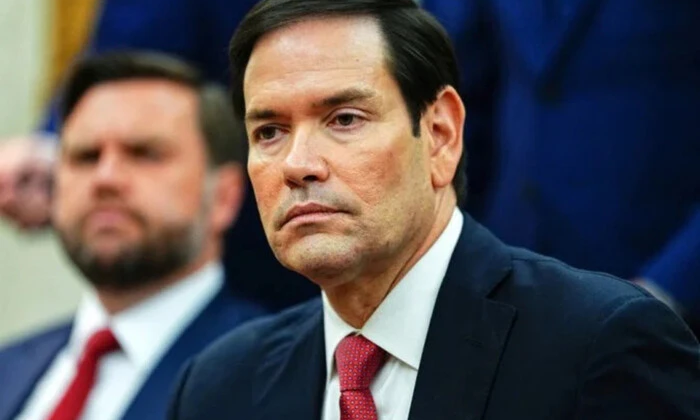
According to Главком: In a historic shift, Iran has agreed to discuss elements of its nuclear program that it previously refused to address in talks with the U.S. Secretary of State Marco Rubio stated that this opens new diplomatic avenues, though progress is complicated by Iran's fragmented leadership. According to Rubio, obtaining responses from Tehran could take several days due to the unique structure of Iran's political system.
Regional Dynamics and the Proposed Deal
Rubio described Iran's leadership as 'somewhat fragmented,' a factor that may slow the pace of negotiations. Meanwhile, Iran is promoting the idea of an interim agreement with the U.S., under which Tehran seeks partial sanctions relief, access to a portion of its frozen assets, and reduced economic pressure. This information is corroborated by Reuters.
- Partial easing of sanctions
- Access to some frozen assets
- Lowered economic pressure
Additionally, it has emerged that Iran has restored most of its underground missile facilities following hostilities with Israel. According to CNN, Iran's underground storage sites may still hold around a thousand missiles. This underscores the region's complexity and the potential threats tied to Iran's nuclear program.
'We are looking at a prospect-it could happen today, tomorrow, or next week-that for the first time, at least in my memory, they have agreed to discuss aspects of their nuclear program that a month or a year ago they wouldn't even mention.' Marco Rubio
These developments signal a possible easing of tensions between Iran and the U.S., potentially paving the way for new diplomatic initiatives. However, the fragmentation of Iran's leadership and the restoration of its missile capabilities highlight that the situation remains extremely complex and requires close monitoring by the international community. A successful dialogue may depend not only on Iran's willingness to negotiate but also on the ability of the U.S. and its allies to find effective mechanisms for achieving regional stability.
As the potential for dialogue unfolds, the U.S. remains prepared to explore alternative strategies should Iran choose to withdraw from negotiations. This readiness to shift tactics reflects the ongoing complexities surrounding Iran's nuclear ambitions and highlights the delicate balance in international relations. For more insights on the U.S. stance and possible alternatives, see the latest updates on U.S. strategies regarding Iran.

Read also