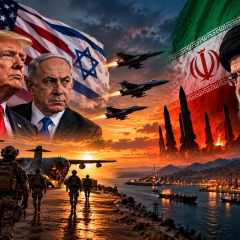
Iran Moves to Impose New Transit Rules on the Strait of Hormuz, Affecting All Nations

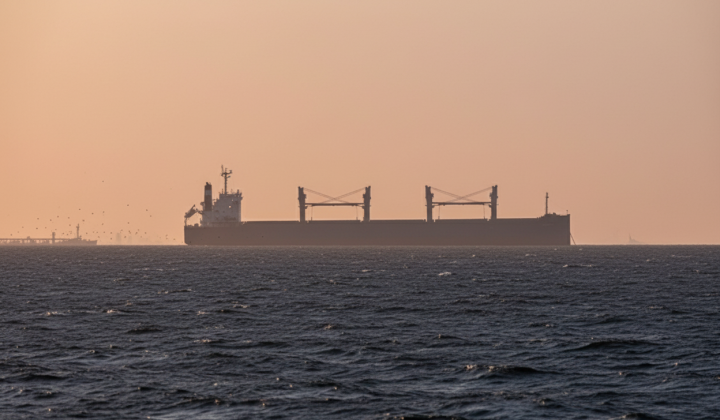
Control Over the Strait of Hormuz
According to Главком: Iran is developing a long-term strategy to control the Strait of Hormuz, creating a special protocol with Oman and planning to categorize countries for transit through this vital waterway. The strait is a crucial global chokepoint, handling one-fifth of the world's seaborne oil trade. At its narrowest point, it is just 33 kilometers wide, with navigable channels for shipping traffic only about 3 kilometers wide in each direction. These planned changes have raised significant concerns in the United States and among other nations, who question the legality of Iran's actions under international law.
Iran's Deputy Foreign Minister, Kazem Gharibabadi, has announced the country's intention to alter passage rules by dividing foreign states into three distinct groups:
- Hostile
- Neutral
- Friendly
Former CIA Director Bill Burns has stated that this move signals Iran's intent to retain the right to regulate traffic through the strait, even if a formal peace agreement were to be signed in the future.
Economic Implications of the Control Plan
For Iran, controlling the Strait of Hormuz is seen not just as a geopolitical lever but also as a potential revenue source and a security guarantee. Ali Vaez, Director of the Iran Project at the International Crisis Group, emphasized this point, noting that
“Iran’s ability to paralyze energy markets has proven far more powerful than a nuclear weapon.”
This underscores the strait's immense global significance and how control over it could disrupt the world economy. The strait's importance makes it a focal point of tension, given Iran's ambitions and the international community's wary response.
Consequently, the situation around the Strait of Hormuz remains tense, with Iran's proposed plans and the international reaction creating a volatile standoff. Control of this waterway is critically important for the global economy, as it is the primary route for oil shipments from the Persian Gulf. The new rules Iran seeks to implement could have serious repercussions for international trade and regional security. The response from the United States and other nations will likely shape future developments and impact the stability of world energy markets.
As Iran implements its new transit regulations, the implications for global oil markets cannot be overlooked. The potential introduction of a security toll in the Strait of Hormuz raises concerns about rising oil prices and the stability of energy supplies worldwide. Understanding these developments is crucial for grasping the broader economic impact of Iran's actions.

Read also