Global Oil Markets Lose 1.2 Billion Barrels After Iran Shuts Down the Strait of Hormuz


The Crisis at the Strait of Hormuz
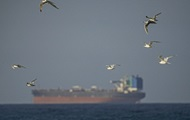
According to ХВИЛЯ: Iran’s closure of the Strait of Hormuz has triggered a nightmare scenario for global energy markets, causing massive losses in oil and gas trade. Before the crisis, roughly 70 oil and gas tankers passed through the strait each day. In May, however, only four tankers made the crossing, resulting in the market missing out on about 15 million barrels of oil daily. Over three months, total losses reached 1.2 billion barrels. The standoff is now in its fourth month, and experts predict it will take up to six months to restore 80% of pre-crisis supply levels.
Energy Security and Alternative Routes
Even if the strait reopens quickly, a swift return to normal is unlikely. More than 170 tankers remain anchored in the Persian Gulf and will need to clear out. Still, this crisis has highlighted how far the world has advanced in energy security over the past half century. The shale revolution has turned the United States into the world’s top producer of oil and gas, as well as the largest exporter of liquefied natural gas. The Western Hemisphere now extracts more oil than the Middle East did before the crisis. Canada ranks as the fourth-largest oil producer globally, and Brazil produces four times as much oil as Venezuela. Notably, oil production in Guyana began just seven years ago, while output from Argentina’s Vaca Muerta formation has increased sixfold since 2020.
Alternative transport routes are also in operation. Saudi Arabia has built a pipeline to the Red Sea, now moving seven million barrels per day. Abu Dhabi has constructed a pipeline bypassing the Strait of Hormuz and plans to double its capacity by 2027. The International Energy Agency coordinated the use of strategic reserves among member countries, helping to ease the impact of the crisis. Asia has been hit hardest by the disruption, while the United States, as an energy exporter, is profiting from the situation.
“Letting markets balance supply and demand, rather than trying to circumvent them, is a basic lesson in energy security. Let’s hope it doesn’t have to be relearned if the strait isn’t reopened soon.”
Daniel Yergin
The situation at the Strait of Hormuz carries major implications for global energy security, as this waterway is a critical artery for oil and gas shipments. Many nations’ reliance on energy from this region underscores the need to diversify supply sources and develop alternative routes, which could reduce future risks. Amid shifting global energy markets, it is essential for countries to find effective solutions to ensure the stability and security of their energy systems.
“Safety and certainty in oil lie in variety and variety alone.”
Winston Churchill
The ongoing crisis has not only affected immediate oil supply but also raised critical questions about energy dependency and resilience. As nations grapple with these losses, understanding the broader implications of the blockage at the Strait of Hormuz becomes essential for future energy strategies and market stability.

Read also