Iranian Tankers Evade U.S. Blockade, Moving Millions of Barrels from the Gulf

U.S. Naval Blockade Circumvented
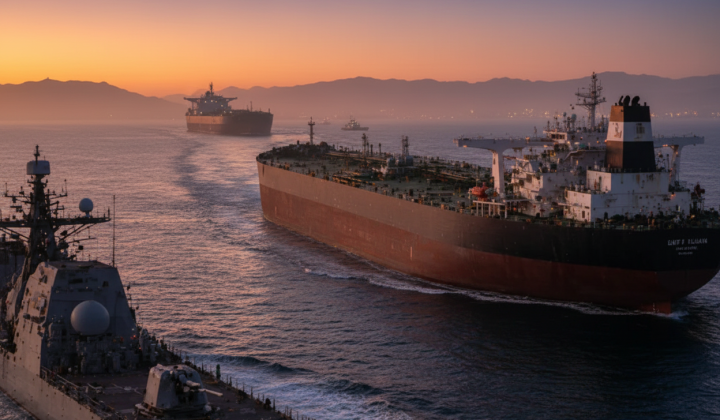
According to Главком: Despite a U.S. naval blockade in the Persian Gulf, Iranian oil tankers have continued to operate, crossing into the Arabian Sea. For instance, on April 20th, two Iranian tankers named the Hero II and the Hedy successfully navigated past the blockade's demarcation line. Combined, these vessels have a capacity to carry up to 4 million barrels of oil. A flotilla of ships operating outside U.S. control has delivered approximately 9 million barrels of oil to the market.
Since the beginning of last week, at least 34 tankers and gas carriers linked to Iran have crossed the blockade zone, which stretches from the coast of Oman to the Iran-Pakistan border. Of these:
- 19 vessels departed from the Persian Gulf;
- 17 of these tankers were transporting oil or other energy resources.
A key tactic in this evasion has been the crews' practice of disabling their transponders, making the ships difficult to identify. Their movements were only detectable via satellite surveillance.
The Strait of Hormuz Situation
Another vessel, the tanker G Summer, crossed the strait and moved beyond the American blockade zone on April 22nd. The United States has stated it does not intend to lift the blockade of the Strait of Hormuz, believing that maintaining pressure is essential for any potential agreement with Iran. Analysts note that Iran has a strong incentive to keep the Strait open, as its closure would cost the country an estimated $500 million per day in lost revenue.
These developments underscore the ongoing regional tensions, with Iran employing masking tactics to bypass U.S. sanctions. The Strait of Hormuz is a critical global energy chokepoint, through which about one-fifth of the world's oil passes. A closure would have severe economic repercussions worldwide. In response, the U.S. continues to maintain a significant military presence in the area to monitor the situation and deter further escalation.
The ongoing maritime tensions are further complicated by the recent U.S. Navy's substantial mine-clearing operation in the Strait of Hormuz, which involves more than 20 ships. This mission highlights the heightened military presence in the region as the U.S. aims to secure vital shipping routes amidst Iran's attempts to circumvent sanctions. The intersection of these developments raises questions about the future stability of global oil supplies.

Read also