Italy Denies Blocking Ukraine Aid Package for 2027


Italy Stands with Ukraine
According to Главком: Italy has firmly rejected claims that it intends to block financial and military aid for Ukraine in 2027, pushing back against a report from the German newspaper Frankfurter Allgemeine Zeitung (FAZ). According to government sources in Rome, the Italian administration never opposed the allocation of €70 billion to Ukraine. FAZ had previously alleged that Italy was against long-term commitments to supply weapons to Ukraine in 2026 and 2027. However, Italian officials emphasized that any reservations were resolved several days ago.
Defense Spending and Slovakia’s Stance
Amid these developments, Italy is also preparing to raise its defense spending to 2.8% of GDP. Italian Foreign Minister Antonio Tajani stated:
“Italy will fulfill its commitments by increasing defense spending to 2.8% of GDP” - Antonio Tajani
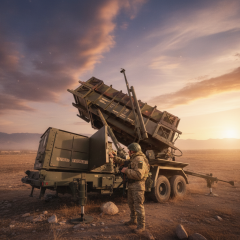
Additionally, an Italian SAMP-T anti-missile battery will be deployed in Turkey. These actions highlight Italy's dedication to bolstering its own defense capabilities while supporting its allies.
Meanwhile, Slovak Prime Minister Robert Fico has voiced objections to new NATO financial plans for supporting Ukraine. At the NATO summit scheduled for July 7-8 in Ankara, billions in funding for Ukraine’s weapons purchases and defense production expansion are expected to be approved. This situation underscores the delicate balance between backing Ukraine and the varying domestic political positions of individual NATO member states.
The issue of financial and military aid to Ukraine remains a critical concern for NATO countries, as it shapes their foreign policy strategies and commitments to allies. By reaffirming its support, Italy demonstrates a readiness to actively contribute to strengthening not only its own defenses but also those of Ukraine. In contrast, Slovakia’s opposing stance highlights the diversity of opinions among NATO members and the potential challenges in achieving unity on supporting Ukraine.
As the situation unfolds, the dynamics of NATO's support for Ukraine are becoming increasingly complex. Recent reports indicate that Italy has reportedly blocked significant NATO aid for Ukraine, which raises questions about the future of military and financial assistance in light of the upcoming Ankara summit. This highlights the need for ongoing discussions among member states to ensure a unified approach to supporting Ukraine's defense needs.

Read also