Italy Enforces New School Policies: Language Limits, Face-Covering Ban, and Fines Up to €1000

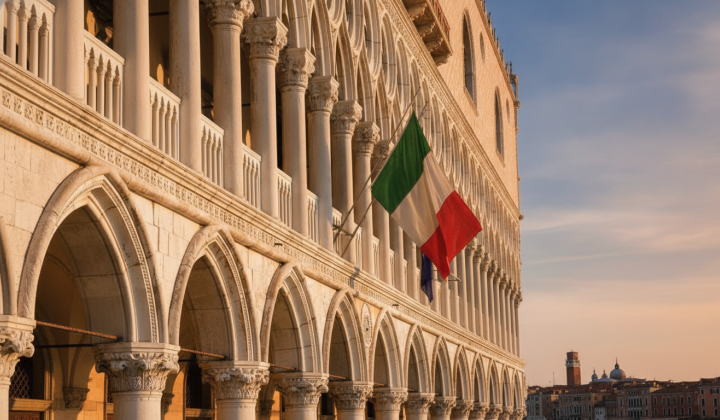
Italy Introduces Stricter School Regulations
According to Рубрика — Суспільство: The Italian government has implemented a set of new rules governing the school system aimed at improving integration and classroom dynamics. One key measure restricts the number of students with limited Italian language skills to no more than 30% of any given class. Additionally, the wearing of garments that fully conceal the face, such as burqas and niqabs, is now prohibited during school events and meetings between families and schools. Violations of these rules carry fines ranging from €200 to €1000.
Schools’ Responsibilities and Government Measures
Under the new framework, schools must notify social services if language barriers among parents hinder their children's integration. Social services may then require parents to attend free Italian language courses. Failure to comply with this mandate could result in fines between €200 and €1000.
Italian Prime Minister Giorgia Meloni emphasized that these steps are "commonsense measures" designed not to divide but to foster genuine integration, prevent the formation of so-called 'ghetto classes,' and ensure equal opportunities for all students.
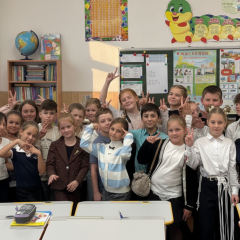
These policy changes come amid a significant influx of migrants into Italy, a key Mediterranean entry point. According to Fondazione ISMU, non-Italian nationals make up 11.6% of the student population in Italian schools. The new regulations seek to enhance educational outcomes and integration for all students, regardless of their linguistic background.
The government's efforts reflect a broader strategy to address migrant assimilation within the educational environment, aiming to support children who do not speak Italian and better include them in academic life. However, the ban on face-covering clothing may spark debate, given the cultural and religious traditions of some communities living in Italy.
As these new educational policies are rolled out, discussions surrounding their implications continue to grow. The government's push for stricter regulations on foreign students and the prohibition of face-covering garments has sparked a broader conversation about integration and cultural identity in schools. For a more comprehensive understanding of these legislative measures and their potential impact, you can read about the planned limitations on foreign student enrollment and the related clothing bans here.

Read also