Italian Researchers Develop Metal-Organic Framework Coating That Protects Mitochondria Without Hindering Their Function

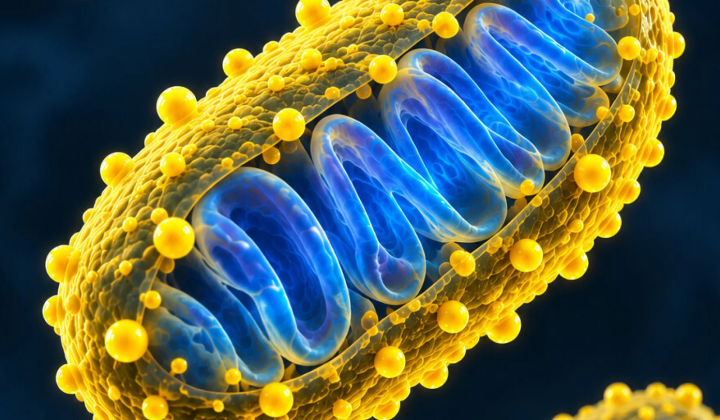
Innovative Protective Layer: Italian Scientists Create a Metal-Organic Framework Shield for Mitochondria
According to НВ — Техно: A team of Italian researchers has pioneered a technique to coat mitochondria with metal-organic frameworks (MOFs) while preserving their essential functions. This breakthrough was achieved through a collaboration between IRCCS Fondazione Istituto Neurologico Carlo Besta (FINCB) and the Politecnico di Milano within the BraiNs laboratory. Their findings were published in a prestigious journal of the American Chemical Society, highlighting the significance of this advance in biomedical materials.
Dr. Valeria Tiranti, who led the study, explained that MOFs are porous, flexible materials that can form protective shells around mitochondria without compromising their activity. Professor Pierangelo Metrangolo, an expert in chemical engineering and materials science, emphasized that the method allows for the safe and precise microscopic application of coatings onto mitochondrial surfaces, positioning this technology as highly promising for future biomedical applications.
Implications and Future Directions
Mitochondria play a vital role in producing the energy required for healthy cellular function, especially in high-demand tissues like the brain and muscles. Dysfunction in these organelles often leads to disease, yet current treatment options are limited. This makes the development of new protective technologies such as MOF coatings particularly urgent.
The newly developed coating technique could enable the creation of mitochondria with tailored functional properties, offering exciting possibilities for cell therapies and mitochondrial transplantation. Crucially, the coating does not impair the mitochondria's energy production capabilities, a key factor for maintaining their function. However, additional research is necessary to confirm the efficacy of coated mitochondria in transplantation settings.
This innovation represents a significant step toward novel treatments for disorders related to mitochondrial dysfunction and opens new avenues for biomedical research. Diseases such as neurodegenerative conditions and muscle pathologies, which are linked to mitochondrial deficits, could benefit from therapies emerging from this technology.
By advancing methods to protect and enhance mitochondrial performance at the cellular level, this research holds promise for improving patient outcomes and quality of life where energy metabolism is disrupted.
As the field of biomedical technology advances, researchers are exploring innovative solutions to enhance cellular functions. For instance, an advanced brain implant has emerged that integrates neural recording, laser stimulation, and drug delivery, showcasing the potential of combining various therapeutic approaches to improve patient outcomes. This underscores the importance of developing complementary technologies that can work synergistically with new mitochondrial protective methods.

Read also