Israel Strikes Hezbollah in Lebanon, Shattering Ceasefire After Khamenei's Death

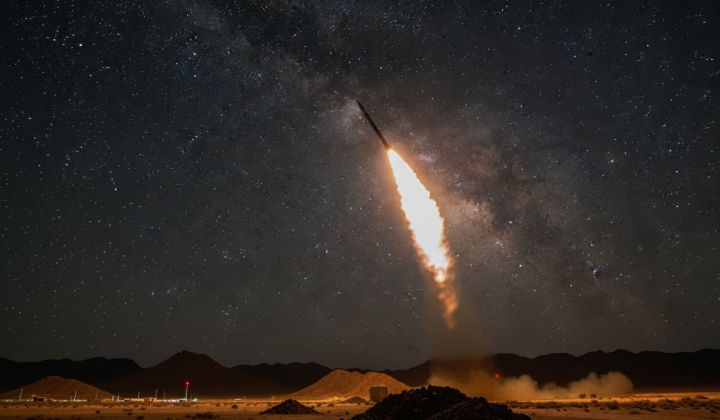
Israel-Hezbollah Conflict Escalates
According to Главком: In a significant breach of a US-brokered truce, the Israeli Defense Forces launched strikes against Hezbollah positions in Lebanon, including near Beirut, on the night of March 2. This military action was a direct response to Hezbollah's own attacks, in which the group fired rockets and drones at an Israeli air defense base south of Haifa. Hezbollah claimed its assault was retaliation for the killing of Iran's Supreme Leader, Ayatollah Ali Khamenei, specifically targeting the Mishmar HaCarmel missile defense site. This exchange marks a dangerous new phase in the long-standing proxy conflict between Israel and the Iranian-backed militant group.
The Israeli military confirmed it intercepted one projectile that crossed the border, while others fell in open areas, causing no damage or casualties. Lebanese Prime Minister Nawaf Salam strongly condemned the militants' actions, labeling them an 'irresponsible and suspicious act.' The November 2024 ceasefire, which had brought a period of relative calm to the Israel-Lebanon border, now appears to be in tatters.
Regional Reactions and Fallout
These clashes occur against the backdrop of Iran's 40-day mourning period for Khamenei, marked by the raising of a black flag over the Imam Reza shrine in Mashhad. U.S. President Donald Trump confirmed Khamenei's death, stating it was the result of a joint high-tech U.S.-Israeli operation. Trump further remarked,
'This is not only an act of justice for the Iranian people, but also retribution for the numerous American and other citizens who have suffered at the hands of the Tehran regime and its proxies.' Donald Trump
The escalation underscores the heightened regional tensions following the Iranian leader's demise, with potential serious implications for the security of neighboring states. The killing of Khamenei and Israel's forceful response to Hezbollah's rocket fire highlight the complex geopolitical landscape where state and non-state actors are deeply intertwined. U.S. support for Israel in this instance reaffirms the critical role of external powers in shaping the trajectory of Middle Eastern conflicts.

Read also