Kazakhstan Rejects Enforcing $1.4 Billion Gazprom Payment Ordered to Naftogaz

Astana International Financial Centre Ruling Faces Roadblock
According to Главком: Kazakhstan’s Ministry of Justice has confirmed that a court order from the Astana International Financial Centre (AIFC), which required Gazprom to pay $1.4 billion to Ukraine’s Naftogaz, will not be enforced within the country. Justice Minister Erlan Sarsembayev explained that the decision was made unilaterally and has not yet entered into legal force. Gazprom is not a participant in the AIFC, and the disputed agreement was not concluded under the center’s jurisdiction. This marks a significant development in the ongoing legal battle between the Russian gas giant and Ukraine’s state-owned energy company.
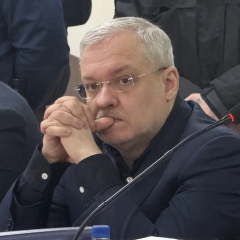
Sarsembayev emphasized that
“the court order was issued unilaterally-without the respondent’s involvement. This is not a final decision: it is of a notification nature and has not acquired legal force.”
– Erlan Sarsembayev, Minister of Justice of Kazakhstan. He further added that
“the Republic of Kazakhstan will not serve as a transit platform for enforcing rulings that lack a legal connection to the country.”
– Erlan Sarsembayev, Minister of Justice of Kazakhstan.
Implications for International Investment
Last week, Naftogaz secured permission to forcibly collect the $1.4 billion in Kazakhstan. However, according to the Ministry of Justice’s stance, the parties never agreed to submit the dispute to the AIFC court, further complicating the matter. The Kazakh Ministry of Justice is currently working on amendments to legislation regarding the enforcement of foreign arbitration rulings, which could shape the future trajectory of this case.
This situation underscores the complexity of legal relations between Kazakhstan, Gazprom, and Naftogaz, particularly in the realm of international arbitration. Kazakhstan’s refusal to enforce the AIFC ruling could have repercussions for international investors and businesses planning to operate in the region, as it introduces additional risks for the execution of court decisions. The development of new legislative initiatives may influence how future disputes are resolved on Kazakh territory.
The recent ruling by Kazakhstan's Ministry of Justice highlights the ongoing complexities in the legal disputes involving Gazprom and Naftogaz. Notably, a Kazakhstan court has previously granted Naftogaz the authority to claim $1.4 billion from Gazprom, which adds another layer to this intricate situation. Understanding these developments is crucial for grasping the broader implications for international investments and arbitration in the region.

Read also