New Insights from Bat1K Reveal Europe as the Cradle of Bat Evolution 65-60 Million Years Ago

Tracing the Origins of Bats
According to НВ — Техно: A comprehensive international effort led by the Bat1K consortium has identified Europe as the likely birthplace of bats during the late Paleocene period, around 65 to 60 million years ago. This extensive study involved 137 scientists from 64 countries who examined the genomes of 103 bat species, covering all 21 recognized bat families. Their findings were published in the journal Nature.
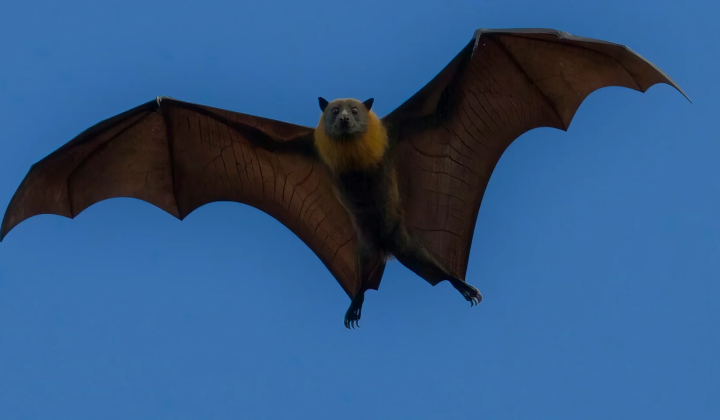
The research indicates that bat ancestors migrated from Europe to Africa, eventually spreading across other continents including the Americas, Asia, and Australia. Today, bats make up about 20% of all mammal species on Earth. Their remarkable ability to sustain powered flight combined with sophisticated echolocation has made them one of the most highly adapted mammalian groups.
Unlocking New Research Opportunities
By digitally reconstructing the genome of the common bat ancestor, scientists have opened new avenues to explore bats’ resistance to diseases, aging processes, and longevity. This breakthrough not only deepens our understanding of bat evolution but also holds promise for advancing biological and medical research.
This landmark study highlights the critical role of global scientific collaboration, demonstrating how pooling expertise from diverse countries leads to more precise and comprehensive insights. Gaining a clearer picture of bat evolutionary history may inform innovative medical approaches, particularly in the study of aging and human diseases. These discoveries lay the groundwork for future research in evolutionary biology and medicine, with the potential to transform our knowledge of natural life and its underlying mechanisms.
Understanding the evolutionary dynamics of various species can provide valuable insights into their development. For instance, recent research into how genetic elements influenced the rapid evolution of ants following the extinction of dinosaurs reveals fascinating parallels in adaptation and survival strategies across different taxa. This highlights the interconnectedness of evolutionary processes and the importance of genetic diversity in shaping life on Earth.

Read also