Ukraine Launches Fuel Rebate Program: What It Means for Gas Prices

The 'National Cashback' Initiative
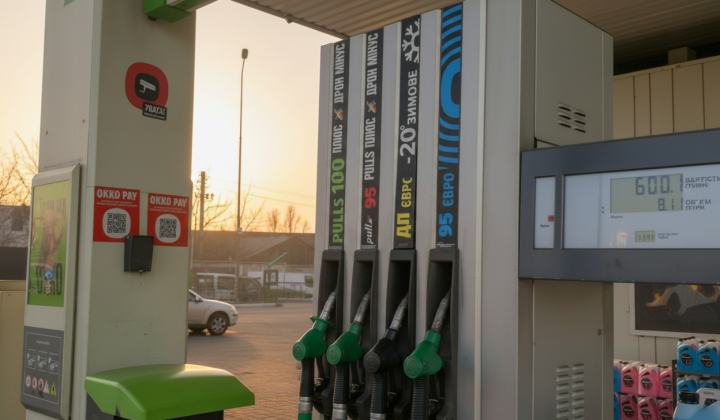
According to Главком: Ukraine has launched a state-sponsored fuel rebate scheme, known as the 'National Cashback' program, which is set to run until May 1, 2026. This initiative is a direct response to rising fuel costs and aims to provide financial relief to citizens. As of March 12, 2026, the average price for A-95 gasoline is 69.76 UAH per liter, while diesel fuel costs 75.28 UAH per liter. The program has already enrolled 9.4 million Ukrainian citizens, demonstrating its significant uptake.
The cashback rates offered under the program are as follows:
- 15% for diesel fuel,
- 10% for gasoline,
- 5% for autogas (LPG).
President Volodymyr Zelenskyy has stated that this measure is part of the government's effort to curb rising gasoline prices. He emphasized that the cabinet will continue to implement measures to control the fuel market's pricing situation.
Market Oversight and Dependence
The Antimonopoly Committee of Ukraine plans to scrutinize the fuel market. This oversight is crucial because Ukraine's market for light petroleum products is entirely dependent on imports, making it vulnerable to global price fluctuations. For context, fuel expenses account for roughly 10-15% of the production costs in the agricultural sector, highlighting how vital stable fuel prices are for the country's farming industry.
Therefore, the 'National Cashback' program is designed to support citizens amid increasing fuel costs, while the government maintains market monitoring in hopes of stabilizing the situation. The introduction of this rebate is a key step in supporting the population, particularly given fuel's substantial impact on the national economy, especially in agriculture. Continued market observation and price control efforts are seen as essential to mitigating negative consequences for both consumers and producers in a climate of global economic uncertainty.

Read also