Kyiv-Pechersk Lavra's Post-War Future: Director Outlines Potential Transformation

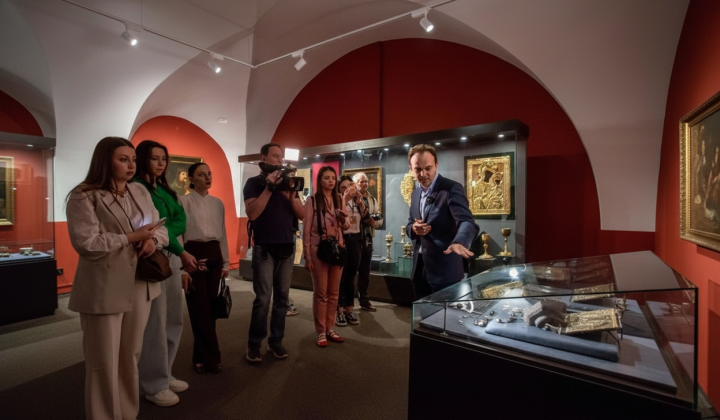
The Future of Kyiv-Pechersk Lavra After the War
According to Главком: Maxim Ostapenko, the Director General of the Kyiv-Pechersk Lavra National Preserve, has suggested a potential transformation for the historic site following the war. He proposed adopting a model similar to the British Museum, where entry would be free to the public. Ostapenko emphasized that the preserve must find new ways to adapt to modern realities, as many foreigners have expressed a strong desire to visit Ukraine once the conflict ends. As a UNESCO World Heritage site, the Lavra is a cornerstone of Eastern Orthodox Christianity and a major symbol of Ukrainian cultural identity.
"Many foreigners I communicate with say: 'We want to come to Ukraine after the war.' Ukraine has become a legend, and we need to reveal this legend," said Maxim Ostapenko.
The Kyiv-Pechersk Lavra is a popular tourist destination that requires significant support and development. The director noted that 'the state has taken on the full obligation to maintain cultural heritage sites using budget funds and targeted financing. The costs for this are enormous, and no tourism activity under current conditions can cover them.' He cited the British Museum as an example, which operates free of charge for visitors thanks to state support funded by taxes, including those paid by tourism companies.
Current Status and Future Plans
Currently, a community of the Ukrainian Orthodox Church of the Moscow Patriarchate (UOC-MP), consisting of 140 individuals including monks, novices, and technical staff, resides on the Lavra's territory. However, not all members of this community live there permanently. Simultaneously, the National Preserve is preparing an agreement with the Orthodox Church of Ukraine (OCU), which would allow for the permanent presence of OCU representatives within the sanctuary. These changes could form part of the broader transformation planned for the preserve in the postwar period.
Such initiatives could significantly reshape Ukraine's cultural landscape after the war. Attracting international tourists and supporting cultural heritage will be crucial elements in reviving the tourism sector. Concurrently, changes in the preserve's management and structure may reflect new social and religious realities, forging a new identity for the Kyiv-Pechersk Lavra in the post-conflict era.

Read also