China Ramps Up Russian Oil Purchases as India Cuts Back

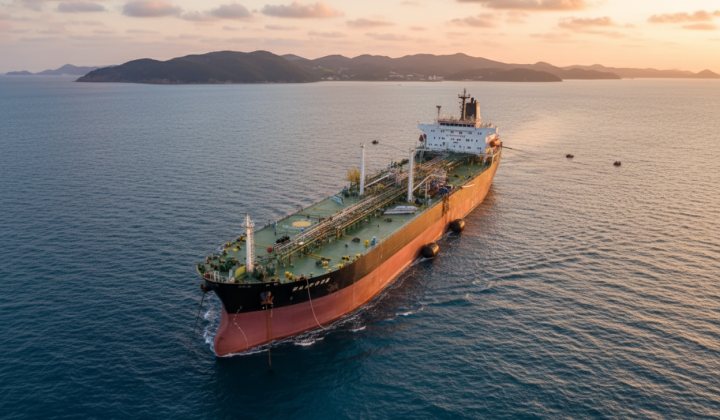
China's Rising Imports of Russian Crude
According to Главком: China has significantly increased its imports of Russian oil, effectively offsetting a recent decline in purchases from India. This shift in Asian energy markets comes as Western sanctions continue to reshape global oil trade flows. During the first 18 days of February, deliveries of Russian crude to Chinese ports averaged 2.09 million barrels per day (bpd), a notable rise from the January average of 1.72 million bpd. For comparison, the daily import volume in December of last year stood at 1.39 million bpd.
Imports of Russia's Urals crude grade to China specifically surged to 600,000 bpd in December, marking the highest level since 2018. Meanwhile, India's intake of Russian oil has remained around 1.2 million bpd in recent months, despite having reached a high of 1.78 million bpd in November. India's peak imports occurred last June, with volumes approximately 40% higher than current levels.
Shifting Dynamics in the Asian Oil Market
Shipments of Urals crude from Baltic, Black Sea, and Arctic ports are also on the rise. Currently, more than 20 Urals cargoes remain unloaded, with about half of them lacking a final destination. Last August, when India began reducing its purchases of Urals, Chinese refineries stepped in to buy at least 10 of these stranded cargoes.
The evolving market situation highlights new trends in China's Russian oil imports, developments largely triggered by India's strategic decisions.
The increase in China's imports and the concurrent decrease in India's purchases point to a realignment of the oil market balance in Asia.
This realignment could impact not only regional oil prices but also the energy policies of both nations amid broader global shifts. Such dynamics may strengthen economic ties between China and Russia, while India's reduced imports likely reflect a search for new energy suppliers. These changes could have long-term implications for energy security across the region.

Read also