China Accuses EU of Discrimination Over New 'Made in Europe' Trade Rules

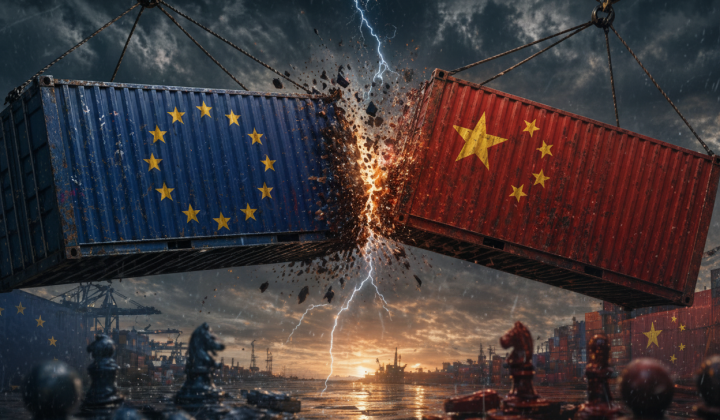
EU-China Trade Dispute Intensifies
According to Главком: A growing rift between the European Union (EU) and China has been fueled by the EU's new trade regulations under its 'Made in Europe' initiative. Designed to bolster European industries-including automotive, green energy, and metals-these rules require companies to use EU-made components to qualify for government support. This has sparked alarm among Chinese manufacturers, who themselves benefit from state subsidies.
In response, China’s Ministry of Commerce has voiced concerns that the measures may be discriminatory. The ministry released a statement warning that
“such actions could be discriminatory.” - China’s Ministry of Commerce
Chinese officials stressed that the new requirements could harm bilateral trade ties. The ministry further denounced the EU's actions as unlawful, stating they “grossly undermine diplomatic trust between the parties.”
China Warns of Possible Retaliation
In turn, Beijing has signaled it may impose countermeasures in response to the EU's new rules. This standoff could have serious consequences for global trade and the relationship between the world’s two largest economies. For now, both sides remain in discussions to find a resolution. Source: Glavcom, citing France 24.
The escalating dispute between the EU and China highlights the delicate nature of international trade and the deep economic interdependence between major powers. While policies that support local industries can be seen as necessary to protect domestic markets, they also risk fueling tensions in global relations. It will be important to monitor ongoing negotiations, which could help prevent further escalation and maintain stability in the world economy.
The ongoing tensions between the EU and China are reminiscent of other global trade dynamics, such as China's strategic focus on U.S. market access over Middle Eastern oil. This shift illustrates the complexities of international trade relationships and the priorities nations set based on economic interests. For a deeper understanding of these intricate dynamics, read more about China's market strategies here.

Read also