Rapid Natural Recovery of Methane-Consuming Marine Ecosystem Observed by Chinese Scientists

Methane Leak Incident in the South China Sea
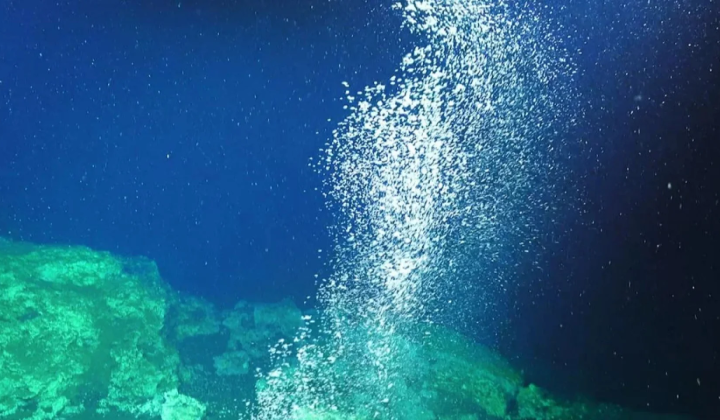
According to НВ — Техно: In 2018, Chinese geologists unintentionally triggered a methane leak from the seabed in the South China Sea. The release originated from a 22-centimeter-wide well that could not be fully sealed after drilling. Within a year, a methane plume was rising over a kilometer through the water column. Remarkably, over the following two years, a methane-consuming ecosystem developed around the leak site much faster than previously anticipated.
Earlier scientific models suggested that such ecosystems might require 60 to 100 years to establish. However, researcher Emil Ruff noted that
"an efficient methane-consuming ecosystem formed within just one to two years."
The initial colonizers were methane-utilizing bacteria and archaea, later joined by invertebrates like tubeworms and crustaceans. By 2023, the methane plume’s height had shrunk from 1,200 meters to 800 meters, indicating the ecosystem's active role in methane consumption.
Environmental Impact of Methane Seepage
Methane leaks from the ocean floor pose significant environmental challenges, primarily because methane is a potent greenhouse gas contributing roughly 11% of global emissions, according to the U.S. Environmental Protection Agency. Seafloor sediments hold the largest methane reservoirs on Earth. Such leaks have also been recorded in other locations, including the North Sea. Between 2012 and 2013, German scientists detected methane emissions near abandoned wells in 63% of surveyed cases (28 out of 43). In 2020, geologist Christoph Bettner reported thousands of tons of methane escaping annually from old North Sea wells.
Research has shown that elevated methane concentrations in the ocean can reduce oxygen levels, increase acidity, and disrupt marine ecosystems. A 2025 modeling study indicated that methane leaks occurring at depths greater than 300 meters have a reduced impact on atmospheric emissions due to gas dissolution in seawater. Samples taken from over 40 sites around the South China Sea well revealed elevated methane concentrations even 500 meters from the leak center, alongside a more than 30% decrease in microbial diversity within nearby sediments.
From 2010 to 2020, China drilled over 80 exploratory wells in the South China Sea to investigate methane hydrates, but data on their environmental effects remain limited. This case highlights the urgent need for comprehensive monitoring of methane leaks and their ecological consequences.
The rapid establishment of a methane-consuming ecosystem following the South China Sea leak challenges previous assumptions about the speed of natural recovery processes. This insight is crucial for understanding how such leaks influence marine environments and the global climate. Continued research in this area could guide the development of strategies to better manage and mitigate the environmental risks associated with methane emissions from underwater sources.
The rapid recovery of methane-consuming ecosystems highlights the complex interactions within marine environments, similar to recent findings in China where geologists discovered a natural hydrogen seep with exceptional purity. Understanding these phenomena can provide insights into the broader implications of gas emissions on marine life. For more on this significant discovery, visit the latest research on natural gas sources.

Read also