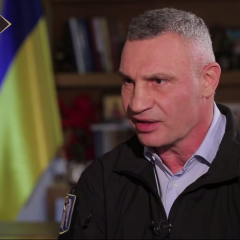
Kyiv Mayor Announces Public Transport Fare Hike Amidst Depreciation Accounting Controversy


Fare Increase Announced for Kyiv's Public Transport
According to Главком: Kyiv Mayor Vitali Klitschko has announced a planned increase in fares for the city's public transport. This decision follows an analysis of the financial reports of the municipal enterprise 'Kyivskyi Metropoliten' (Kyiv Metro) by the civic initiative 'Holka'. The analysis suggests that accounting practices related to the depreciation of municipal property have artificially inflated the reported cost of operations, leading to declared losses. In recent years, the metro has received budget compensation exceeding its actual financial shortfalls.
Financial Data and Rising Costs
In the summer of 2018, the metro fare was raised from 5 to 8 hryvnias. In 2019, the metro's passenger transport revenue grew by 23%, an increase of 640 million hryvnias, yet the enterprise reported a loss of nearly one billion hryvnias. The share of depreciation in the metro's total expenses for 2019 rose from 19% to 38%. Specifically, depreciation within the cost of transport services tripled from 600 million to 1.8 billion hryvnias that year.
From 2020 to 2022, depreciation grew moderately, but it surged by 600 million hryvnias in 2023 and by 2.3 billion hryvnias in 2024. The annual depreciation amount reached 6 billion hryvnias. Between 2018 and 2025, the cost of transporting passengers increased 3.8 times, while depreciation soared 10.2 times. Depreciation's share of the cost was 21.5% in 2018 but reached 58% by 2022.
According to financial reports, the cost per passenger in 2025 was 42.25 hryvnias. However, the Kyiv City State Administration (KCSA) announced a planned cost for 2025 of 64.53 hryvnias. The planned cost increase in the enterprise's financial plan ranges from 10 to 15 billion hryvnias. The real operating cost for the Kyiv Metro to transport one passenger in 2025 (excluding depreciation) was 17.83 hryvnias.
It is notable that the metro has not received revenue from advertising placements since 2011. In 2016, the Ministry of Infrastructure approved changes to the tariff calculation methodology, excluding income from other activities from consideration. On March 30, Vitali Klitschko, by directive No. 56, approved the Kyiv Metro Technical Development Program for 2026, which envisions spending nearly 10 billion hryvnias from the city budget on metro development. The municipal enterprise 'Kyivskyi Metropoliten' must spend over 6.4 billion hryvnias of its own funds under this program.
In 2024, the metro carried just over 249 million passengers. To fund the Technical Development Program, fares would need to incorporate a profit of 25.8 hryvnias per trip. Over the last four years (2022-2025), the amount of compensation provided under the guise of tariff regulation totaled 15.1 billion hryvnias. The real losses of the enterprise from low tariffs for 2022-2025 (excluding depreciation of municipal property) were 7.3 billion hryvnias, while unjustified budget transfers during this period amounted to 7.8 billion hryvnias. The amount of free funds on the enterprise's accounts at the end of 2024 reached 2.9 billion hryvnias.
Therefore, the fare increase for public transport is a response to the financial challenges faced by the municipal enterprise 'Kyivskyi Metropoliten', particularly the inflated cost of transport due to accounting practices around depreciation.
This decision is likely to impact public transport users in the capital, as higher fares will increase financial burdens on residents. The situation highlights the complex financial pressures on Kyiv's infrastructure, which has faced significant challenges in recent years. The rising reported costs underscore the need for financial reform in the municipal sector to ensure the metro's stability and operational efficiency. The future actions of the Kyiv City Administration in this direction could be crucial for improving the enterprise's financial health and the quality of transport in the city.
The fare increase proposal has sparked significant criticism, particularly from the former mayor of Kyiv, who questions the decision's rationale and timing. As the city grapples with financial challenges, this controversy raises important questions about public transport management and fiscal accountability. For a deeper insight into the reactions to the mayor's announcement and the implications for the city's transport system, see how the fare hike plan has been met with backlash from previous city leadership.

Read also