Ex-Commander of Ukraine’s 103rd Territorial Defense Brigade Charged in $2.1 Million Combat Pay Fraud Scheme

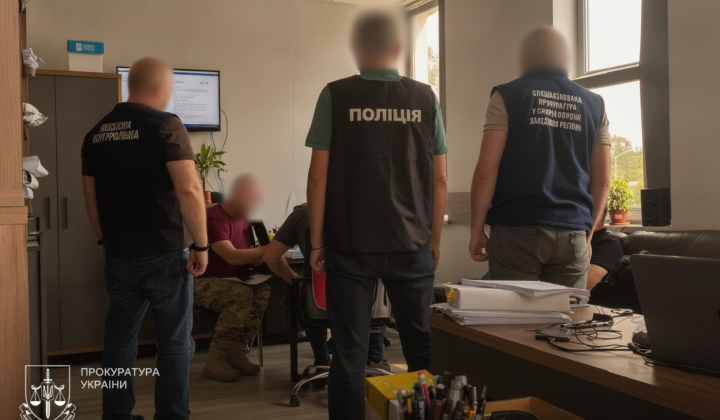
Charges Filed Against Valerii Kurko
According to Главком: Valerii Kurko, the former commander of the 103rd Territorial Defense Brigade of the Armed Forces of Ukraine, has been formally charged with negligent conduct in military service. The charges stem from illegal payments of combat bonuses totaling nearly 80 million hryvnias (approximately $2.1 million). The case was opened under Part 4 of Article 425 of Ukraine’s Criminal Code, which addresses negligence by military officials that leads to severe consequences during a state of martial law.
Details of the Case
According to investigators, Kurko failed to properly oversee the distribution of 100,000 hryvnia payments to soldiers between April 2023 and January 2024. Court materials indicate that he signed orders authorizing bonuses for personnel who had no legal entitlement to them. These actions allegedly caused nearly 80 million hryvnias in losses to the state budget.
Prosecutors requested pretrial detention for Kurko, but the Halytskyi District Court in Lviv rejected that motion. Instead, the court set bail at 66,500 hryvnias. Attorney Andriy Martyniuk has confirmed the charges against his client.
Maksym Kozytskyi, head of the Lviv Regional Military Administration, publicly defended the officer. He stated:
“Valerii Kurko is a person who practically built the 103rd Brigade from scratch and took responsibility for forming it during one of the most difficult moments for our nation. Later, together with the brigade’s personnel, he carried out combat missions in the hottest sectors of the front. Throughout this time, both he and his soldiers repeatedly proved their loyalty to Ukraine and their military oath. That is why I believe such prosecutions are unacceptable during a full-scale war. I have unwavering respect for every soldier and for Valerii Kurko.”
The case has sparked widespread public debate, highlighting issues of accountability among military leaders during wartime and the need for oversight in military funding mechanisms.
This situation underscores the critical importance of financial discipline within military structures, especially under martial law. Proper stewardship of public funds is essential, as mismanagement can lead to significant budget losses that undermine the country’s ability to meet defense needs. It also risks eroding public trust in military institutions and their commanders during times of severe national challenge.
The recent developments in military accountability highlight a broader issue within the Armed Forces, as seen in another case involving a former commander from the Khmelnytskyi region. He was accused of misdirecting soldiers to work in a car repair shop instead of fulfilling their military duties. Such instances of misconduct raise critical questions about leadership and ethical responsibilities in times of conflict. To explore this case further, read more about the allegations against the commander from Khmelnytskyi.

Read also