Expert Decries Ukraine's Use of Utility Bills as a Stealth Taxation System

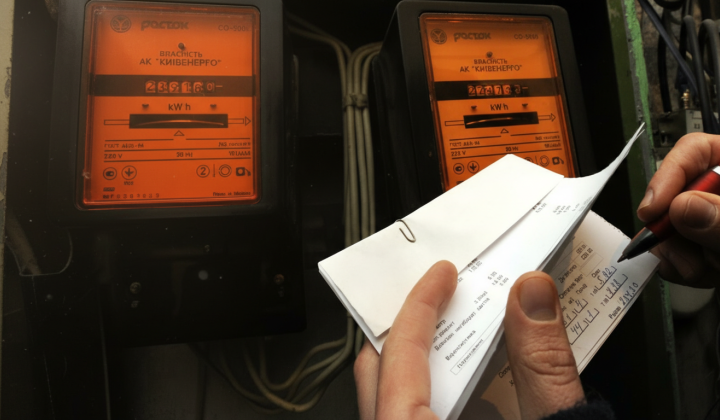
Utility Bills as a Form of Covert Taxation in Ukraine
According to ХВИЛЯ: In a February 12 interview, energy and utilities expert Oleh Popenko argued that Ukraine's utility tariffs operate as a form of quasi-taxation. He stated that this model was first introduced during the presidency of Petro Poroshenko and has since been expanded by the current government to include Energoatom, the state nuclear power company. Popenko emphasized that these tariffs constitute a hidden tax burden on Ukrainian citizens.
Oleh Popenko, a specialist in energy and communal services, noted that the practice of using utility payments as quasi-taxes originated under the previous administration. He further highlighted that the current authorities have broadened this scheme, incorporating Energoatom, which he described as having become a massive machine for collecting quasi-taxes through utility bills.
Expert Concerns Over the Policy
"This practice was introduced under Petro Poroshenko, when utility tariffs were used as quasi-taxes. It is a hidden form of taxation for Ukrainians... The current government has made this model even wider and has placed Energoatom here as well," - Oleh Popenko
Popenko expressed concern regarding the current policy on utility tariffs and its impact on the financial well-being of Ukrainians. This system effectively functions as an additional levy, which could negatively affect citizens' welfare.
The expert's remarks underscore the need for public and governmental discussion on modern utility tariffs in Ukraine and their consequences for the population. This issue requires attention from both state authorities and society to find a balance between the state's financial needs and the capabilities of Ukrainian households. The debate over utility pricing is particularly sensitive in a country still grappling with the economic pressures of ongoing conflict.

Read also