Russia's Short-Term Gains in the Middle East Could Lead to Long-Term Loss of Influence

The Middle East Conflict and Its Consequences for Russia
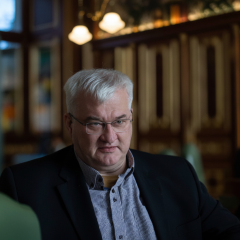
According to ХВИЛЯ: Analyst Igor Tishkevich, in a discussion with political scientist Yuriy Romanenko, argues that the Middle East conflict and military operations against Iran have provided Russia with several tactical advantages. These include delaying discussions on Ukraine, redirecting U.S. military resources, and boosting oil prices. However, Tishkevich warns that in the long run, this could result in Russia losing its influence in the region. This analysis comes at a time when global powers are reassessing their strategic positions amid ongoing instability.
Tishkevich specifically noted that
"from a tactical standpoint, Putin's current situation is simply excellent."
He also stressed that
"they discussed practically everything except the key issues-where and how to stop the war."
The political scientist believes that negotiations in their current format could turn into a "child's game," given Trump's need for a quick deal.
The War's Impact on Oil Markets and Russian Transit
Tishkevich highlighted that the war in the Middle East is increasing demand for Russian oil.
- "There are three main global suppliers in large volumes: Venezuelan oil, Iran, and Russia."
- "India has already stated that they are considering resuming purchases of Russian oil."
According to the expert, the Russian budget was calculated based on an oil price of $59 per barrel. As of March 1, Russian Urals was trading at $57.2 per barrel, allowing Russia to remain profitable.
Tishkevich also emphasized the importance of Russian transit routes for China if Iran becomes "bogged down" in its projects, noting that
"if the southern branch of the Belt and Road stops, Russian transit becomes more important for China."
However, in the medium and long term, the situation could become problematic for Russia.
"Strategically, the situation is not too advantageous for Russia. Tactically-yes. If you take a 6-12 month perspective-Russia has won. In the medium term, there are already problems; in the long term-these are major problems,"
Tishkevich emphasized.
Furthermore, he expressed the view that Putin is trying to sell his role as a mediator with Iranian elites, but
"the problem is that Trump and Netanyahu are waiting for the elites to decide, and they already speak with them without Putin."
This could lead to a diminished role for Russia in the region. Tishkevich noted that
"the Iranian elites themselves"
may eventually change their attitude toward Russia, since
"Russia acted as a state that in every way provoked military actions because they brought Russia tactical benefit."
Thus, while Russia has gained certain tactical wins-such as postponing the Ukraine issue, diverting U.S. military resources to the Middle East, and increasing demand for its oil-the long-term consequences may be less favorable for its regional influence.
Given these factors, it is important to consider that strategic shifts in the Middle East can significantly impact global politics, particularly relations between major powers. The growing role of Iran and changes in energy supplies could act as catalysts for new conflicts, further complicating the situation for Russia as it seeks to strengthen its influence. Consequently, future developments will require careful analysis and forecasting of potential consequences for Russian foreign policy and international relations as a whole.

Read also